
What are Fair Trade Shoes?
Fair trade shoes are produced by companies that pay all employees a living wage, enforce strict safety regulations to ensure a safe work environment, prohibit child labor and minimize the environmental impact of manufacturing processes.\
The Best Fair Trade Shoes Brands
Lems

Lems has pioneered the “zero-drop” and “low heel drop” shoe architecture, which reduces the height of the heel from 12mm, to 4mm – 8mm. This places the forefoot and heel level to the ground, which improve posture and aligns the spine. Lems shoes are designed with a minimalistic approach for good posture and a healthy gait. They are also lightweight, sturdy, and water resistant. Read our full review of the Trailhead.
- Company Headquarters: Colorado
- Manufacturing Location: China
- Sustainability: Lems vegan line of shoes are 100% cruelty-free, down to the laces and glue.
- Fair Trade: Their factory meets the California Transparency in Supply Chains Act (https://oag.ca.gov/SB657)
Allbirds
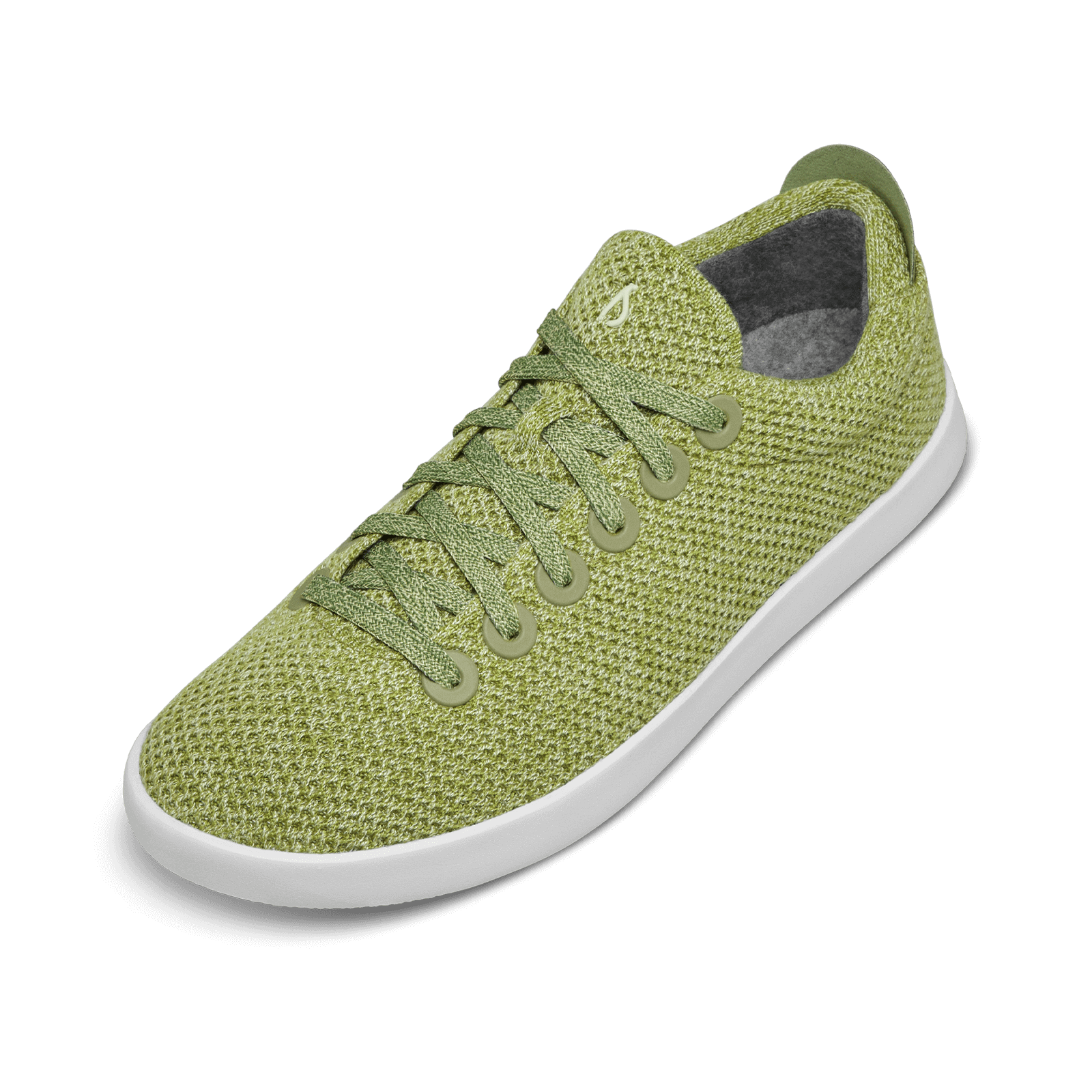
Allbirds has some of the most innovative, sustainable shoes on the market. Their “Tree Runner” series has an upper made with responsibly sourced eucalyptus tree fiber, a midsole made from Brazilian sugarcane and an insole made from castor beans.
- Company Headquarters: California
- Manufacturing Location: Nepal and Portugal
- Sustainability: Allbirds uses biodegradable and recycled materials in many of its shoes and clothing.
8000Kicks
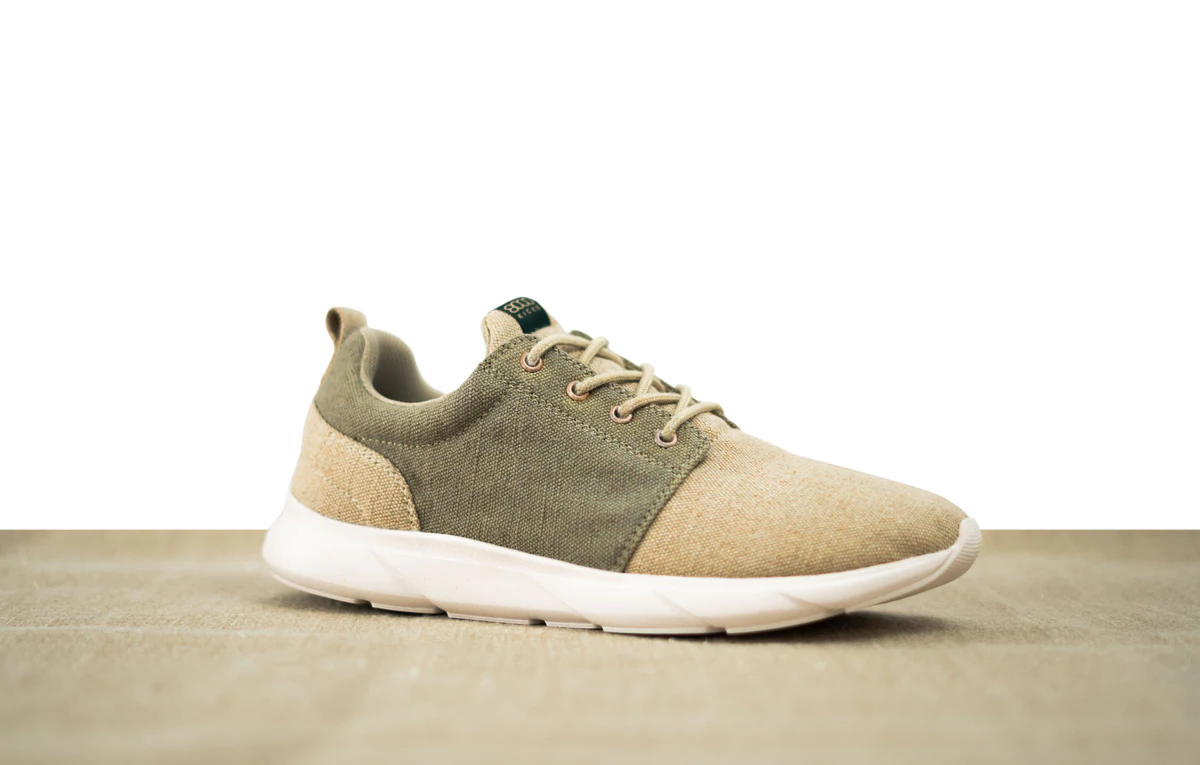
8000Kicks makes all-weather sneakers completely out of hemp. Hemp is water and odor resistant, anti-bacterial and anti-microbial. It’s also biodegradable so your shoes won’t hang around in a landfill for a 1,000 years.
- Company Headquarters: California
- Manufacturing Location: California and Portugal
- Sustainability: 8000Kicks uses biodegradable, plant-based materials in all of its.
Baabuk

Baabuk is an ethical, fair trade sneaker brand that takes its responsibilities seriously. The company has a B-Corp certification, which demonstrates that it has met the highest environmental, social and legal standards of accountability to employees, vendors and customers.
- Company Headquarters: Switzerland
- Manufacturing Location: Nepal and Portugal
- Sustainability: Baabuk uses ethically sourced wool from New Zealand and Portugal to make its sneakers.
- Fair Trade: It purposely chose to have shoe makers in Nepal make its eco friendly shoes in order to have an impact on the local economy. It provides safe working conditions and wages that are 25% higher than the national average.
Bangs
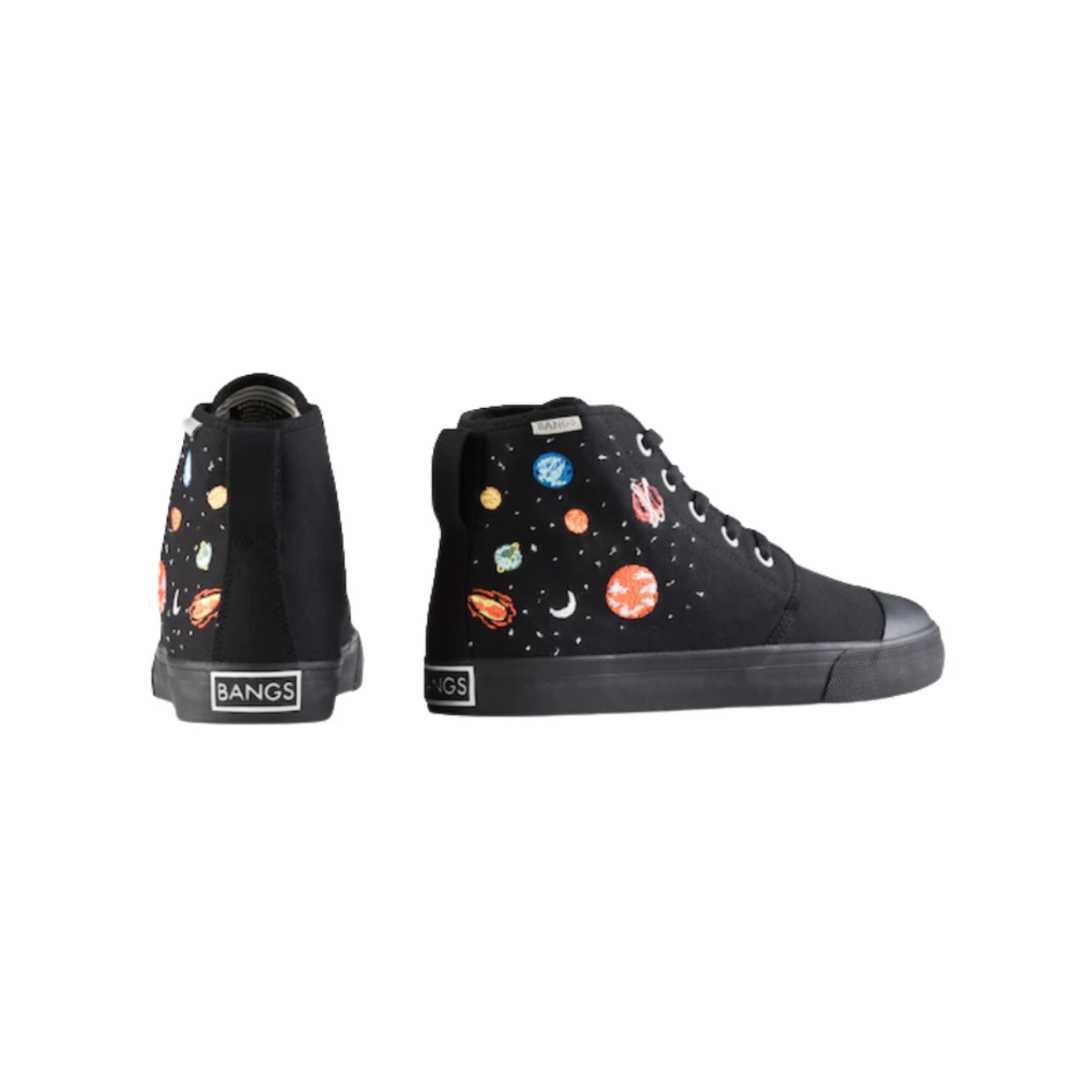
BANGS is a US-based fair trade shoe brand inspired by footwear design the company’s founder encountered while teaching in Asia.
- Company Headquarters: U.S.A.
- Manufacturing Location: China
- Sustainability: BANGS produces fair trade footwear that’s made from 100% vegan materials.
- Fair Trade: The company partners with a factory in Asia that enforces lawful work hours, living wages, and well-deserved breaks that include a 1.5 hour lunch.
Able
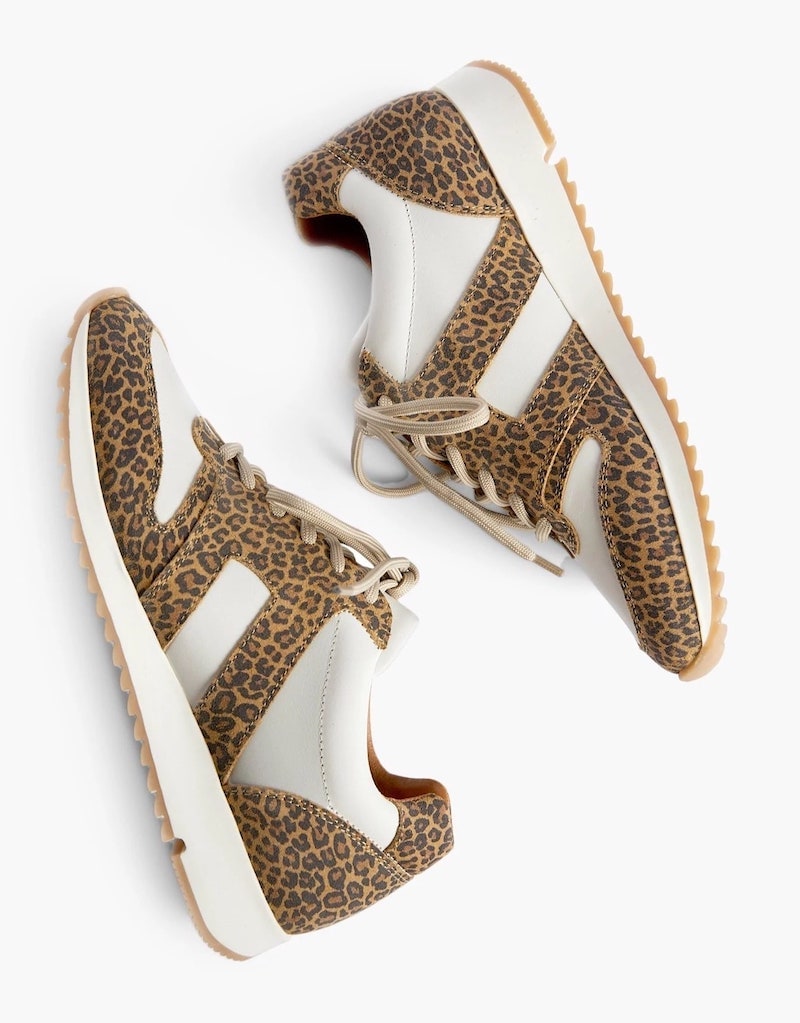
ABLE makes fair trade, ethical shoes and sneakers that come in a variety of designs – from cheetah prints to high tops. Their styles can work within a range of activities – from high fashion to lounging around.
- Company Headquarters: Nashville
- Manufacturing Location: Factories around the world
- Sustainability: ABLE uses leathers that are by-products of the food industry to make its eco friendly shoes. Its partner tanneries recycle water that they use during the manufacturing process.
- Fair Trade: ABLE is committed to improving the lives of women around the world with fair wages. Its domestic and international factories pay living wages that the company publishes on its website.
Thousand Fell

Thousand Fell produces ethical sneakers with end-of-life in mind. The brand’s 100% vegan shoes are biodegradable, which reduces landfill wastes.
- Company Headquarters: New York City
- Manufacturing Location: Franca, Brazil
- Sustainability: Thousand Fell uses recycled bottles, rubber, and food waste products such as coconut husks to make its eco friendly shoes.
- Fair Trade: Thousand Fell partners with a family-owned factory in Brazil that keeps inventory low. This reduces waste and allows the company to pay better wages.
Novesta
Based in Slovakia, Novesta has been producing sustainable shoes since the 1930s. They design fair trade sneakers with the goal of extending the life of the shoe as long as possible. Their sneakers are washable, and the durable natural rubber outsole has been optimized to withstand the test of time.
- Company Headquarters: Slovakia
- Manufacturing Location: Slovakia
- Sustainability: Novesta uses cotton, rubber, and many other vegan materials to manufacture its signature shoes.
- Fair Trade: Novesta focuses on producing quality footwear and sustaining a great quality of life for its shoemakers in its original 1939 production facility.
Coclico
Coclico makes fair trade footwear that embodies luxury, minimalism, and comfort.
- Company Headquarters: New York
- Manufacturing Location: Spain
- Sustainability: Coclico’s shoes are made of Italian nubuck leather and rubber.
- Fair Trade: Coclico’s eco friendly shoes are handcrafted in Spain by makers who are paid living wages.
Gorman
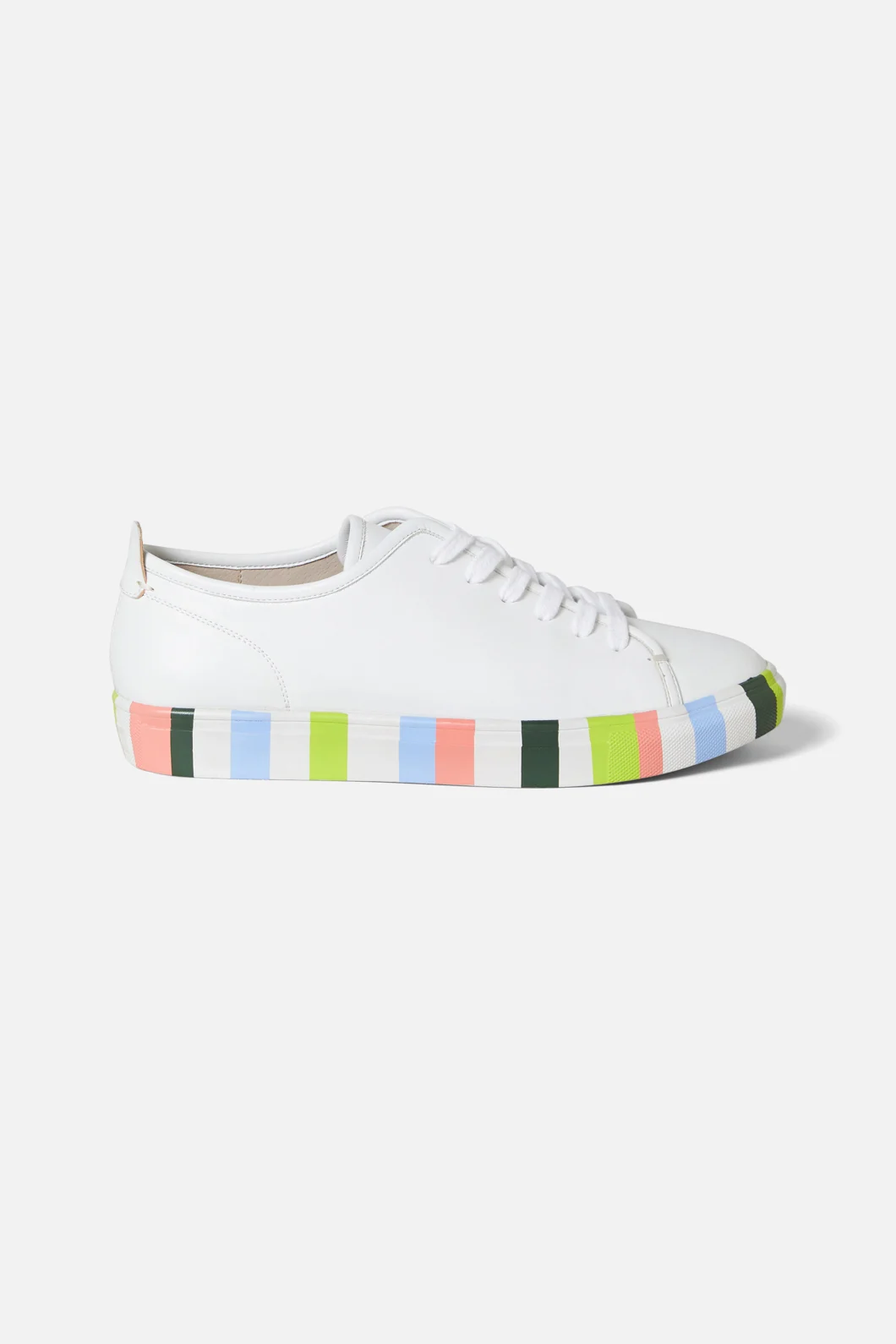
Gorman is one of Australia’s most notable ethical sneaker brands. It produces stylish and ethical walking shoes and sneakers that are made with social responsibility in mind.
- Company Headquarters: Melbourne, Australia
- Manufacturing Location: Porto Alegre, Brazil
- Sustainability: Gorman uses leathers that are by-products of the food industry as well as vegan leathers.
- Fair Trade: Gorman goes the extra mile to make sure that its factory shoe makers in Brazil have safe working conditions, fair wages, and reasonable work hours.
Jibs

Jibs makes sustainable shoes that can take you from a casual day at the office to your next travel adventure.
- Company Headquarters: Miami
- Manufacturing Location: Brazil
- Sustainability: Like many sustainable shoe brands, Jibs uses leathers that are ethically sourced.
- Fair Trade: Jibs was founded by Natalie Kathleen in 2015. Ms. Kathleen partners with a Brazilian friend’s family shoe factory to make her company’s fair trade shoes.
Freewaters
Freewaters makes ethical walking shoes, recreational footwear and slippers that are packed with attitude.
- Company Headquarters: California
- Manufacturing Location: International factories
- Sustainability: The brand’s sustainable shoes contain ethically sourced leather, some vegan materials, and no PVC.
- Fair Trade: Freewaters carefully selects manufacturers that strictly comply with its code of conduct relating to wages and work conditions.
Giesswein
Are you a runner who is having trouble finding ethical running shoe brands? Giesswein may be just the brand to get your heart racing with its fair trade running shoes.
- Company Headquarters: Germany
- Manufacturing Location: Germany
- Sustainability: Giesswein’s fair trade running shoes feature wool fabrics that are designed to keep your feet warmer than fair trade running shoes that are produced by other ethical running shoe brands. The natural moisture-wicking and antibacterial properties of the wool make this material a great choice for your next pair of fair trade running shoes. While other ethical running shoe brands stop at great materials, Giesswein makes running shoes that waste less water during production.
- Fair Trade: Unlike other ethical running shoe brands, Giesswein produces its fair trade running shoes in house.
Fair Trade Flats, Mules, and Sandals
Rothy’s
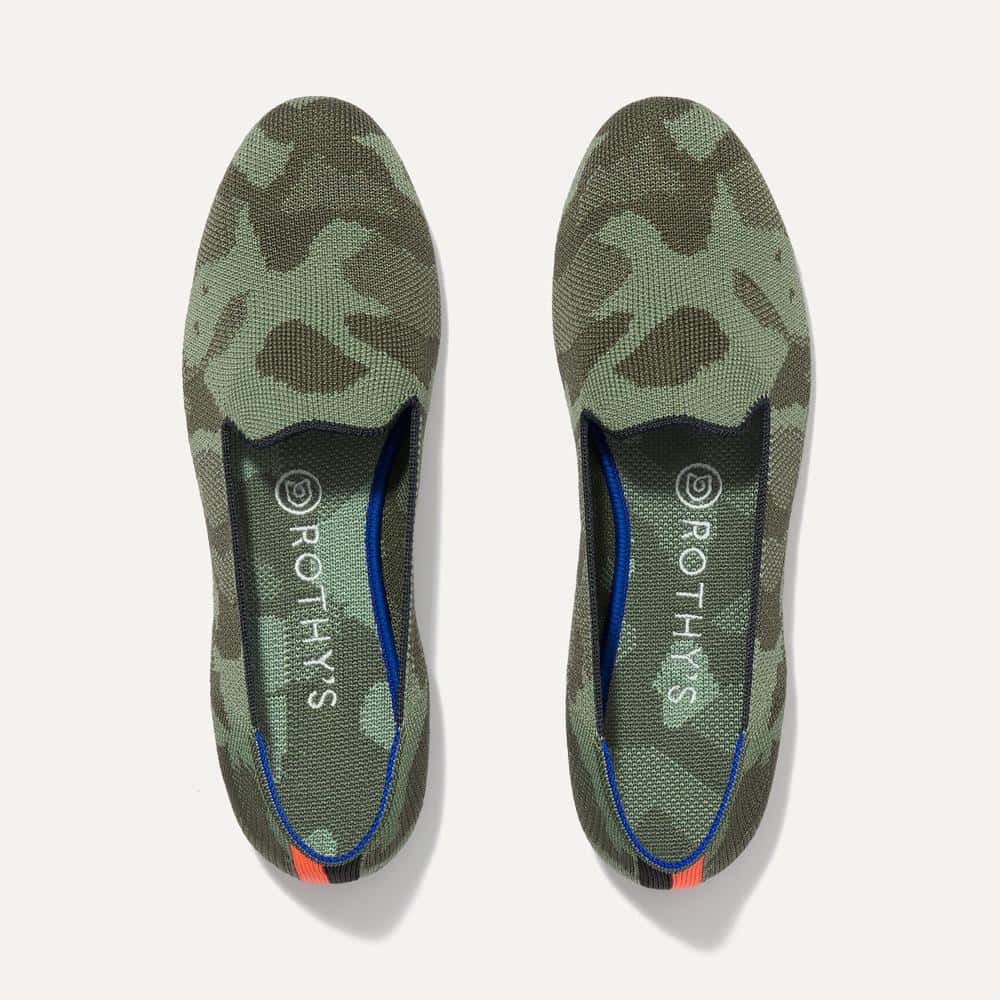
Rothy’s is one of the most innovative of fair trade shoe brands on this list. The company uses the latest technology to make its stylish shoes out of unexpected materials.
- Company Headquarters: San Francisco
- Manufacturing Location: Dongguan, China
- Sustainability: You’ll be pleasantly surprised to learn that Rothy’s uses recycled, single-use plastic water bottles, algae-based foam, and renewable rubber to make its sustainable shoes.
- Fair Trade: Rothy’s owns and operates its own factory in China, which allows it to closely regulate living wages and safe work conditions for its skilled shoemakers.
RAFA
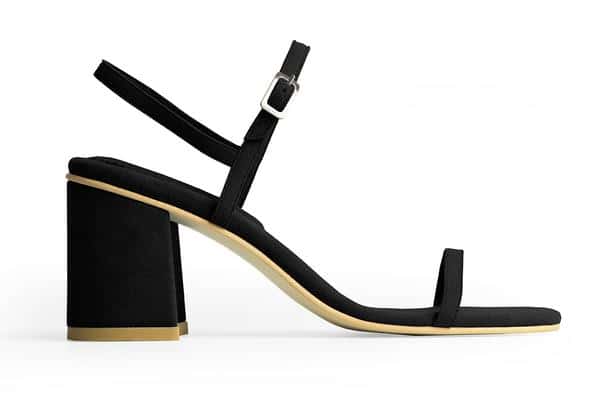
RAFA brings a touch of luxury to sustainable shoe brands with a select collection of boots, mules, and pumps.
- Company Headquarters: Los Angeles
- Manufacturing Location: Los Angeles
- Sustainability: RAFA is one of California’s premier vegan shoe brands. It uses reclaimed plastic to make many of its faux suede shoes.
- Fair Trade: RAFA employs over 20 second- and third-generation shoe maker artisans in its small Los Angeles factory. It pays its shoe makers fair wages and provides a safe work environment for them.
BHAVA
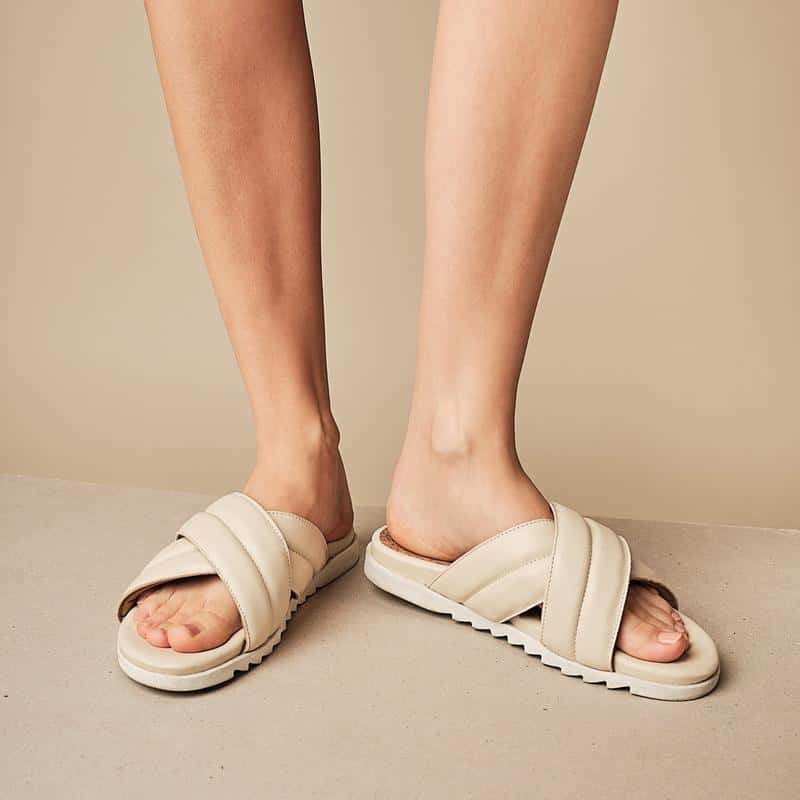
From heel to hikers, BHAVA is one of the fair trade shoe brands that has it all.
- Company Headquarters: New York City
- Manufacturing Location: Alicante, Spain
- Sustainability: BHAVA uses sustainable materials such as cork and organic cotton in its vegan leather shoes.
- Fair Trade: Francisco Pineda founded BHAVA in 2012 and personally vets manufacturing partners to ensure fair wages and safe work conditions at its factory.
Suggies

Suggies makes ethical walking shoes that don’t trade off comfort for style.
- Company Headquarters: California
- Manufacturing Location: California
- Sustainability: Suggies uses leathers that are by-products of the meat industry to construct its shoes.
- Fair Trade: When it comes to producing its eco friendly shoes, Suggies takes a hands-on approach to fair trade. The company partners with a local shoe factory in California to make sure that it can keep an eye on working conditions, wages, and overall worker treatment.
Juta

Juta Shoes makes ethical walking shoes that transform fast fashion into fair fashion.
- Company Headquarters: UK
- Manufacturing Location: London
- Sustainability: Juta is also one of the UK’s most sustainable shoe brands. It makes its shoes from upcycled leathers and recycled vegan materials.
- Fair Trade: Juta’s fair trade shoes are made in the UK by underserved communities of women. The company prepares the women with training to build their skills and then releases them to earn a living wage in the heart of London.
Chelsea Paris
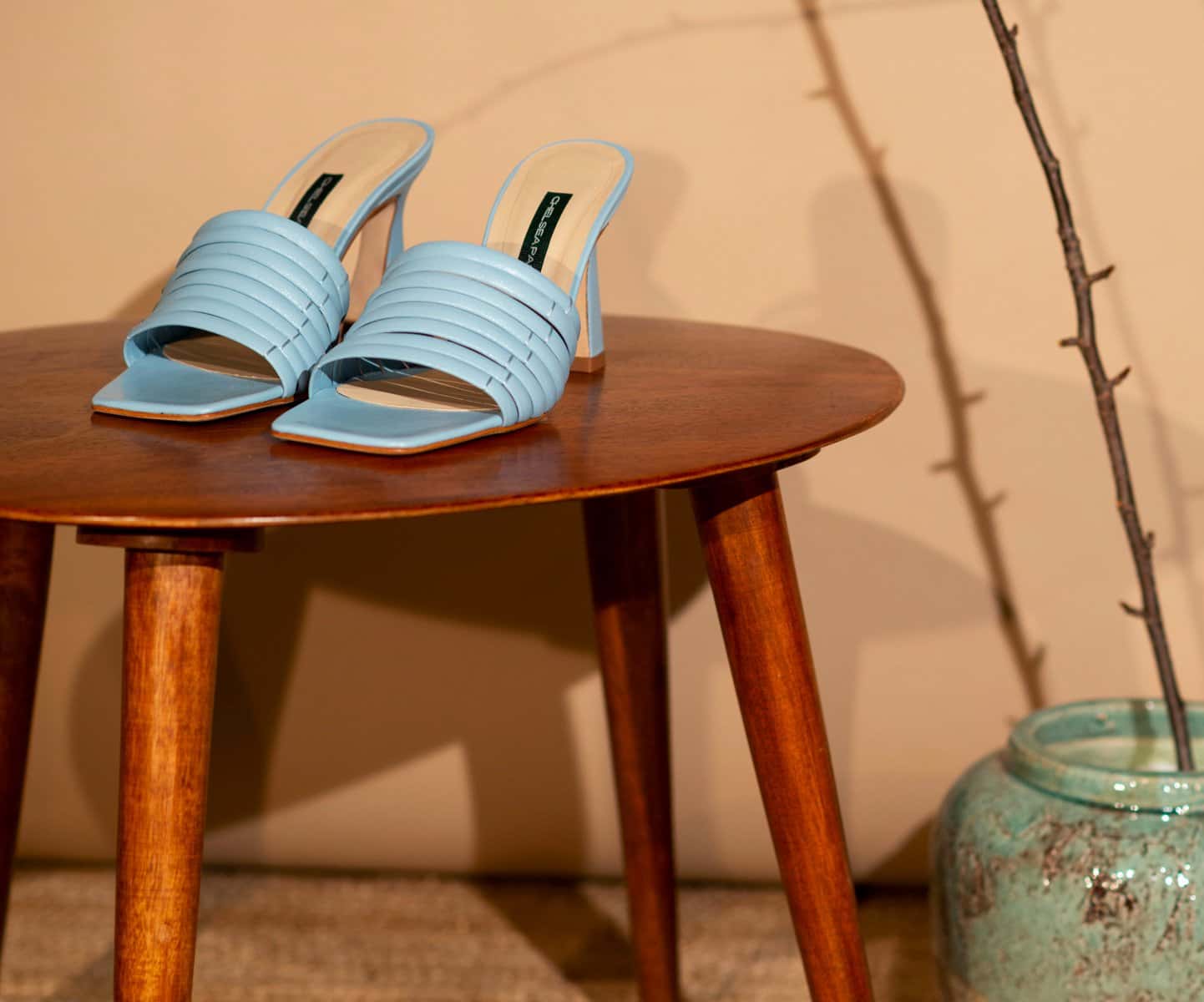
Chelsea Paris offers fair trade footwear that displays the founder’s African heritage and her love for European craftsmanship.
- Company Headquarters: London
- Manufacturing Location: Italy and Portugal
- Sustainability: Chelsea Paris makes fair trade shoes using vegetable-tanned and metal-free leather.
- Fair Trade: Chelsea Paris is one of the UK’s sustainable shoe brands that focuses on fair wages and the use of non-toxic materials during shoe manufacturing.
The Root Collective
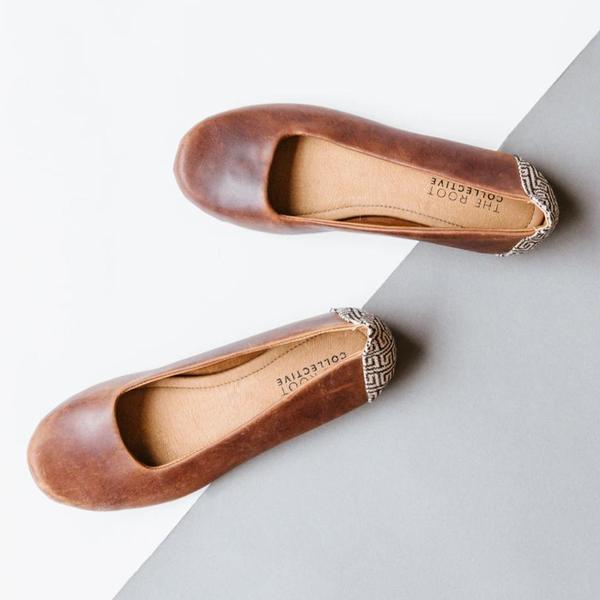
The Root Collective puts a unique entrepreneurial spin on the fair trade footwear sector with its flats, boots, heels, and sandals.
- Company Headquarters: Raleigh, North Carolina
- Manufacturing Location: Guatemala City and Pastores, Antigua
- Sustainability: The Root Collective uses leather, handwoven textiles, and rubber to make its shoes.
- Fair Trade: Unlike most sustainable shoe brands, The Root Collective doesn’t employ factory workers. It partners with independent shoemakers in small communities to produce its shoes. These local business owners earn between 50% and 400% above local living wage rates.
Cariuma
Cariuma makes high-performance skate shoes with heart.
- Company Headquarters: Rio de Janeiro, Brazil
- Manufacturing Location: Unknown
- Sustainability: Some of the premium materials that Cariuma uses to make its skate shoes include bamboo, natural rubber, organic cotton, and cork.
- Fair Trade: Cariuma partners with like-minded workshops that value factory workers and ensure that they earn living wages in a safe work environment.
Why is Fair Trade Important?
When it comes to finding fair trade products, including sustainable clothing brands, vegan clothing brands, and vegan sneakers, the number of shopping options are significantly increasing.
Brands that support fair trade policies commit to the following:
- Paying workers a living wage at every stage of their supply chain. There is a difference between “fair wage” and “living wage”. Fair wage is subjective based on one person’s opinion. A living wage is objective, based on factors such as the cost of housing and food in a specific area.
- Providing a safe work environment without exposure to abuse, exploitation, or toxic chemicals. This is especially important for women who are often subject to sexual abuse in factories.
- Require a reasonable work week of no more than 40-50 hours, with bathroom and lunch breaks. Workers can volunteer for paid overtime if they prefer – it is not mandated.
- Prohibit child labor under the age of 18 years old.
We no longer have the luxury to choose fast fashion. Choosing fair trade shoes is vital to improving the lives of people around the world. When sustainability is top of mind, ethical fashion accessories such as fair trade shoes should not be a challenge to introduce to your capsule wardrobe. When producers and workers of fair trade shoes know that they can get fair wages for the items that they produce and have a safe space to do their jobs, they can afford to improve the quality of their goods.
For instance, some fair trade shoe brands offer organic goods, which are free of toxic chemicals that hurt the environment and workers. Others can be more conscious about including sustainable materials into their product lines. Purchasing fair trade shoes allows you to support ethical fashion producers from all over the world with living wages that encourage greater sustainability at the grassroots level.
Do fair trade brands pay workers more for their labor in comparison to traditional brands?
According to fairtraderesourcenetwork.org, Fairtrade Certified coffee cooperatives earn about 40% more than the current market price for their coffee products. In addition, Fairtrade premiums increase cooperative systems and community strength. While this data is specific to coffee cooperatives, it suggests that the fair trade system can positively impact workers’ wages in various industries, including the shoe industry.
Do fair trade shoes brands use sustainable materials in their products?
Yes. A study conducted by the World Fair Trade Organization found that “Fair Trade is leading the way in sustainable practices, promoting environmentally sustainable production techniques and creating awareness of the need for sustainable consumption”
In the shoe industry, a survey by the sustainable fashion platform, Good On You, found that 16 out of the 32 fair trade shoe brands they reviewed use sustainable materials in their products, such as organic cotton, recycled materials, and natural rubber.
Do fair trade shoe brands prioritize environmental sustainability?
Yes, according to a study by the Fairtrade Foundation, fair trade fashion brands tend to prioritize sustainable production processes. Specifically, the study found that 82% of fair trade fashion brands implement environmental sustainability measures in their production processes.
These measures include reducing waste, conserving energy and water, and using eco-friendly materials. Additionally, fair trade fashion brands also tend to prioritize social sustainability, including fair labor practices and supporting local communities.
Moreover, a report by Rank a Brand, a sustainability rating platform, assessed brands on their environmental policies, transparency, and supply chain management. The report found that fair trade shoe brands tend to prioritize eco-friendly materials, reducing carbon emissions, and using sustainable production methods.
Final Thoughts
In conclusion, the fair trade movement focuses on getting producers in developing countries suitable wages for items that they sell to developed nations.
However, it also supports cottage-industry creators in developed nations who sell their goods all around the world. It also mandates that workers are provide safe spaces to perform their tasks.
The brands on this list produce ethical fashion accessories that look good on the feet but feel even better on the heart.