
Quick Summary of Bluetti vs EcoFlow
- EcoFlow: Best if you have big energy needs, like powering your entire house or living off-grid for long periods of time.
- Bluetti: Best for casual, everyday use, like camping or tailgating.
Now, let’s get into the technical details of how Bluetti vs EcoFlow compare to each other.
Why Portable Power Stations Matter
The portable power market isn’t just growing—it’s exploding, with projections showing the global market will reach nearly $1 billion by 2032! If your electricity goes out in the middle of a storm – a reliable portable power station quickly becomes your best friend. For this reason, more and more people facing unpredictable power grids are turning to brands like Bluetti and EcoFlow for emergency backup.
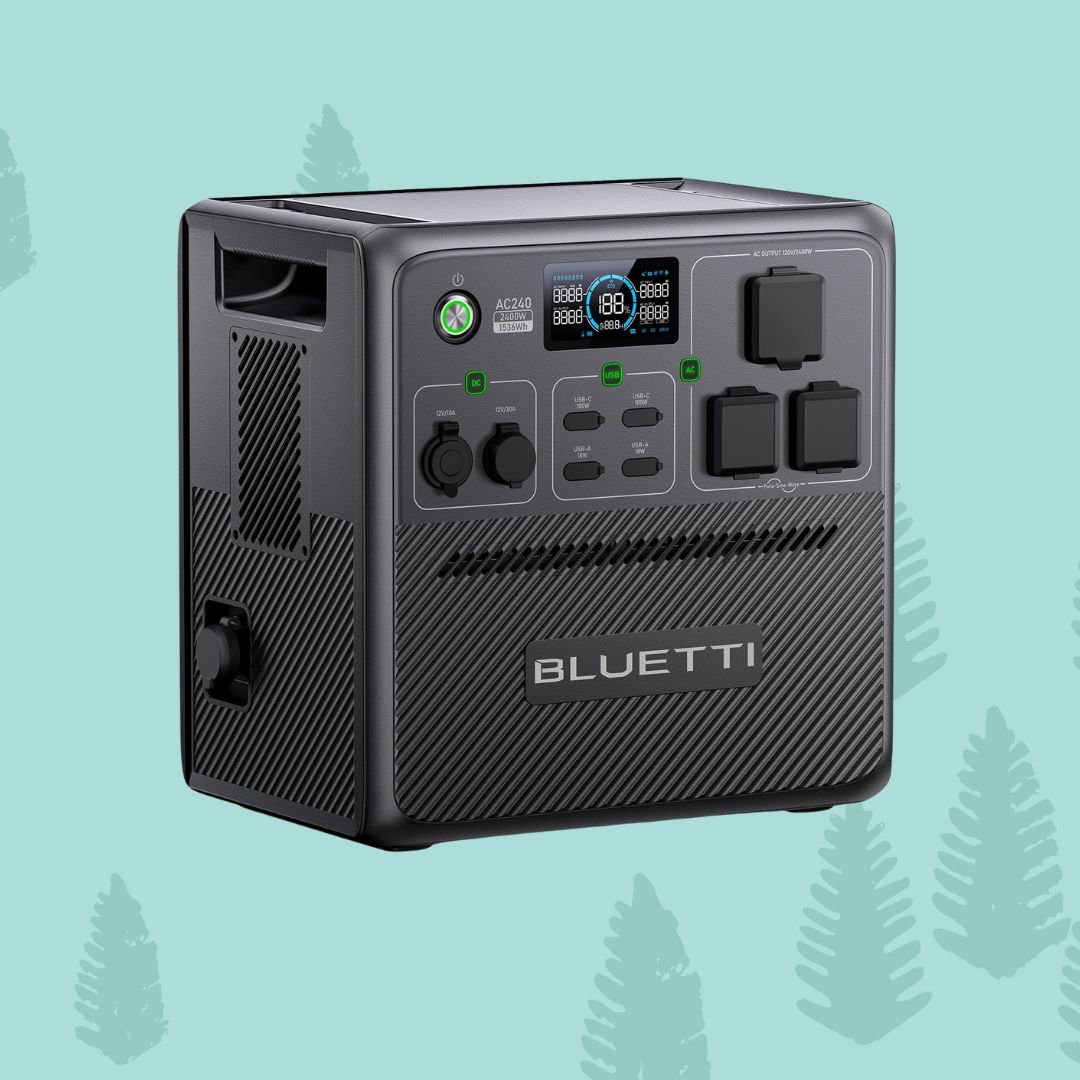
Key Considerations
When comparing Bluetti and EcoFlow, we’ll dive deep into:
- Battery technology
- Storage capacity
- Power output
- Battery life
- Charging speeds
- Outlets & Ports
- Portability
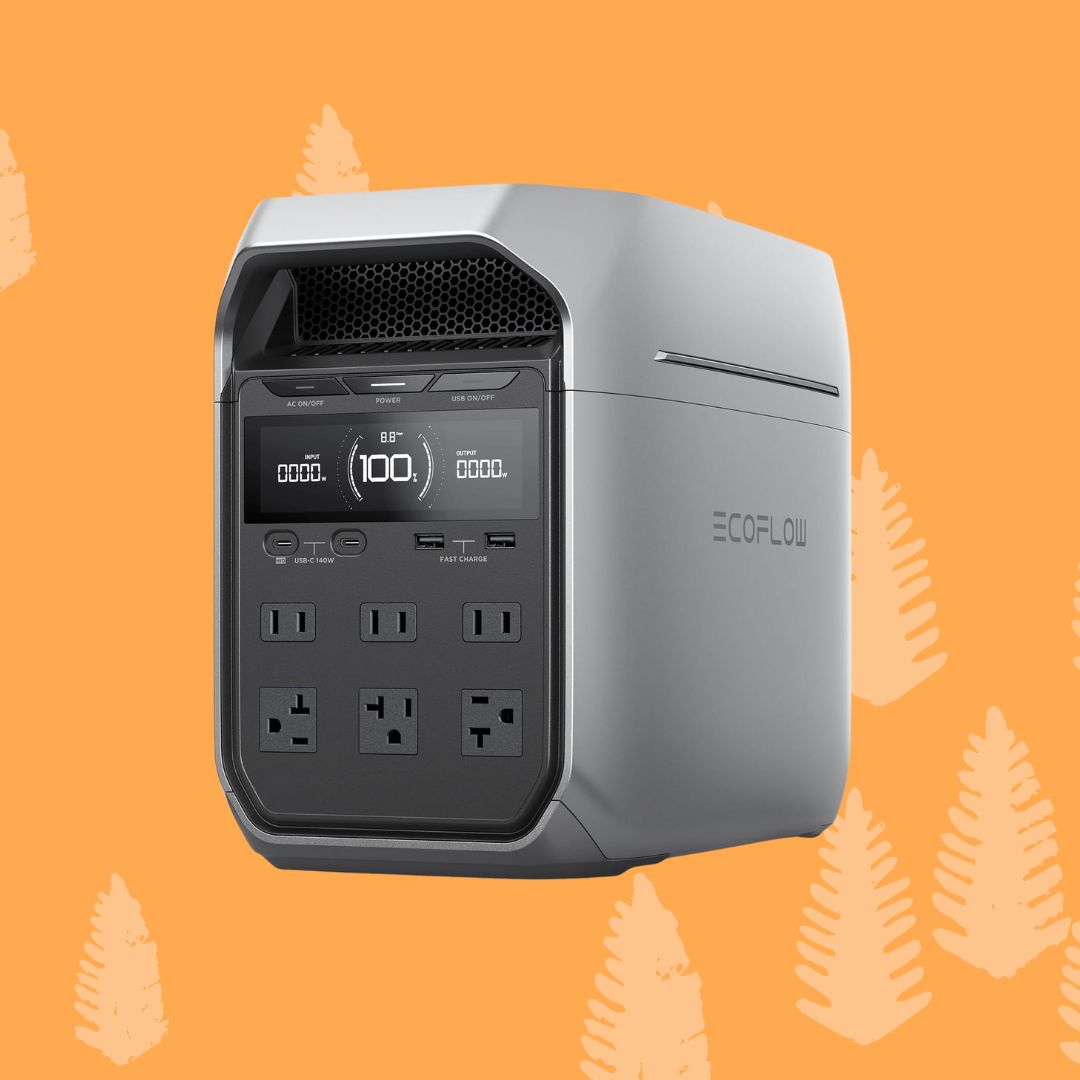
By the end of this guide, you’ll have a clear understanding of how each brand might work for your specific needs.
Bluetti vs EcoFlow: How Do They Compare?
Battery Technology
Bluetti and EcoFlow use Lithium Iron Phosphate (LiFePO4) batteries in the power stations we reviewed. LiFePO4 batteries are the gold standard for durability and safety.
Why LiFePO4 Matters
LiFePO4 batteries offer several advantages that make them superior to traditional lithium-ion batteries:
- Longevity: Bluetti and EcoFlow batteries can last anywhere from 3000 to 6000 charge cycles before significant capacity loss.
- Safety: Dramatically lower risk of overheating or combustion compared to other battery types.
- Performance: Maintain stable voltage throughout discharge cycles.
- Eco-Friendly: Contain no toxic heavy metals like cobalt.
Storage Capacity – How Much Energy Can It Store?
EcoFlow power stations allow you to expand capacity to a greater level, especially in their high-end models like the DELTA Pro Ultra – which expands all the way up to 90,000-watt hours! This is enough power to keep an entire household running for days. But, keep in mind this is also a serious financial investment.
On the other hand, BLUETTI gives you a wider range of mid-capacity options like the AC70, AC70P and AC180. Options like these might be the sweet spot for users who have lighter power needs and a smaller budget.
| BLUETTI | Capacity |
| AC2A | 204Wh |
| EB3A | 268Wh |
| AC50B | 448Wh |
| AC70 | 768Wh |
| AC70P | 864Wh |
| AC180 | 1152Wh |
| Elite 200 V2 | 2073Wh |
| AC200L | 2kWh to 8.1kWh |
| AC300 & B300K | 2.7kWh to 11kWh |
| AC500 & B300K | 2.7kWh to 33kWh |
| ECOFLOW | Capacity |
|---|---|
| River 3 | 245Wh |
| River 2 | 256Wh |
| RIVER 3 Plus | 286Wh |
| RIVER 2 Pro 700 | 768Wh |
| DELTA 3 Plus | 1024Wh to 5,000Wh |
| DELTA 2 | 1024Wh to 2048Wh |
| DELTA 2 Max | 2,048Wh to 6,144Wh |
| DELTA Pro | 3,600Wh to 25,000Wh |
| DELTA Pro 3 | 4,096Wh to 48,000Wh |
| DELTA Pro Ultra | 6,144Wh to 90,000Wh |
Power Output – What Devices Can the Power Station Support?
EcoFlow edges out in maximum output with their top model the DELTA Pro Ultra, but BLUETTI offers more options in the mid range.
| BLUETTI | Output |
| AC2A | 300W (600W surge) |
| EB3A | 600W (1200W surge) |
| AC50B | 700W (1050W surge) |
| AC70 | 1000W (2000W surge) |
| AC70P | 1000W (2000W surge) |
| AC180 | 1800W (2700W surge) |
| Elite 200 V2 | 2600W (3900W surge) |
| AC200L | 2400W (4400W surge) |
| AC300 & B300K | 3000W (6000W surge) |
| AC500 & B300K | 5000W (10000W surge) |
| ECOFLOW | Output |
|---|---|
| River 3 | 300W (600W surge) |
| River 2 | 300W (600W surge) |
| RIVER 3 Plus | 600W (1,200W surge) |
| RIVER 2 Pro 700 | 800W (1,600W surge) |
| DELTA 3 Plus | 1,800W |
| DELTA 2 | 1,800W (2,200 Surge) |
| DELTA 2 Max | 2,400W (4,800W surge) |
| DELTA Pro | 4,500W (7,200W surge) |
| DELTA Pro 3 | 4,000W (8,000W surge) |
| DELTA Pro Ultra | 7,200W |
Charging Speeds – How Fast to Recharge the Battery?
| BLUETTI | AC Charging Speed | Solar Charging Speed | Car Charging Speed |
| AC2A | 1.2 Hours (270W Turbo Charging) | 1.5 hours (200W) | – |
| EB3A | 1.3 to 1.8 Hours (350W Turbo) | 1.8 to 2.0 Hours (200W) | 3.2 to 3.7 hours (12V) / 1.9 to 2.4 hours (24V) |
| AC50B | 1.1 hours | 2.7 hours (200W) | 4.9 hours (12V) / 2.7 hours (24V) |
| AC70 | 1 hour | 2.5 hours (500W) | 9.1 to 9.6 Hours (24V) / 4.8 to 5.3 Hours (12V) |
| AC70P | 1.5 to 2 Hours | 2.2 to 2.7 hours (500W) | 9.1 to 9.6 Hours (24V) / 4.8 to 5.3 Hours (12V) |
| AC180 | 1.3 to 1.8 hours | 2.5 to 3.3 hours (500W) | 6.3 to 6.8 Hours (24V) / 12 to 12.5 Hours (12V) |
| Elite 200 V2 | 1.1 hours | 2.4 hours (1000W) | 4.2 hours (560W) |
| AC200L | 3.3 hours | 2 hours (1200W) | 20 hours (12V) / 10 hours (24V) |
| AC300 & B300K | 45 minutes (3000W) | 45 minutes (2400W) | 4.7 hours |
| AC500 & B300K | 45 minutes (3000W) | 1.5 to 3 hours (3000W) | – |
| ECOFLOW | AC Charging Speed | Solar Charging Speed | Car Charging Speed |
|---|---|---|---|
| River 3 | 1 hour | 2.8 hours (110W) | 2.8 hours (100W) |
| River 2 | 1 hour | 3 hours (100W) | |
| RIVER 3 Plus | 1 hour | 1.5+ hours (220W) | 3.3 hours (220W) |
| RIVER 2 Pro 700 | 1.1 hours | 3.5 hours (220W) | 9+ hours (100W) |
| DELTA 3 Plus | 1 hour | 3.5 to 7 hours (400W) | 1.3 hours (800W) |
| DELTA 2 Max | 1.1 hours (1800W) | 2.3 hours (1000W) | 13.8 hours (12V/24V) |
| DELTA Pro | 1.8 to 2.7 hours | 3.5 hours (1200W) | 37.5 hours (96W) |
| DELTA Pro 3 | 1.1 hours (3000W) | 2.6 to 4.1 hours (1000W) | 4.3 hours (960W) 10+ hours (90W) |
| DELTA Pro Ultra | 2.5 hours (3000W) | 2 hours (4000W) | – |
Outlets and Ports – How Many Devices Can You Plug In?
| BLUETTI | Number of Outlets & Ports |
| AC2A | 6 |
| EB3A | 9 |
| AC50B | 6 |
| AC70 | 7 |
| AC70P | 8 |
| AC180 | 11 |
| Elite 200 V2 | 9 |
| AC200L | 11 |
| AC300 & B300K | 16 |
| AC500 & B300K | 16 |
| ECOFLOW | Number of Outlets & Ports |
|---|---|
| River 3 | 6 |
| River 2 | 6 |
| RIVER 3 Plus | 7 |
| RIVER 2 Pro 700 | 11 |
| DELTA 3 Plus | 13 |
| DELTA 2 Max | 15 |
| DELTA Pro | 14 |
| DELTA Pro 3 | 13 |
| DELTA Pro Ultra | 11 |
Portability – How Easy is the Power Station to Carry?
| BLUETTI | Weight |
| AC2A | 7.9 lbs (3.6 kg) |
| EB3A | 10.14 lbs |
| AC50B | 14.8 lbs |
| AC70 | 22.5 lbs |
| AC70P | 23.6 lbs |
| AC180 | 35.3 lbs |
| Elite 200 V2 | 53.4 lbs |
| AC200L | 61.6 lbs |
| AC300 & B300K | 47.6 lbs (21.6kg) (AC300) |
| AC500 & B300K | 66.2 lbs (AC500) |
| ECOFLOW | Weight |
|---|---|
| River 3 | 7.8 lbs |
| River 2 | 3.5 kg (7.7 lbs) |
| RIVER 3 Plus | 10.4 lbs |
| RIVER 2 Pro 700 | 17.2 lbs |
| DELTA 3 Plus | 27.6 lbs (12.5kg) |
| DELTA 2 Max | 50 lbs (23kg) |
| DELTA Pro | 99 lbs (45kg) |
| DELTA Pro 3 | 113.54 lbs (51.5kg) |
| DELTA Pro Ultra | 186.4 Ibs |
Bluetti Best Selling Models on Amazon
No products found.
EcoFlow Best Selling Models on Amazon
No products found.
Model Comparisons
Entry level models that cost $200+
Mid range models that cost around $400+
- Bluetti AC180 vs EcoFlow Delta 2
- EcoFlow Delta 2 Max vs Bluetti AC180
- Bluetti AC180 Review vs EcoFlow Delta 2 Max (Video)
- Bluetti AC200MAX vs EcoFlow Delta Max 1600
High range models that cost $1,000+
- Bluetti AC200P vs EcoFlow DELTA Max 2000
- Bluetti AC200Max vs EcoFlow Delta 2 Max
- Bluetti AC50B vs. EcoFlow RIVER 2 Max
- Bluetti AC300 & B300 vs. EcoFlow DELTA Pro
General Comparisons
Customer Support
Bluetti Customer Support
- Email: [email protected]
- Phone: +1 800-200-2980
EcoFlow Customer Support
- Email: [email protected]
- Phone: +1 (800)-368-8604
FAQs
What are BLUETTI and EcoFlow?
BLUETTI and EcoFlow are two popular brands that specialize in portable power stations and solar panels. They each offer a range of products that differ in battery capacity, power output and price to cater to various needs.
What is the difference between BLUETTI and EcoFlow?
BLUETTI and EcoFlow primarily differ in terms of lithium battery technology, solar efficiency, inverter and charging speeds. BLUETTI uses superior LiFePO4 batteries in all its products and generally has larger solar input, while EcoFlow delivers faster charging speeds and more powerful inverters.
What are the differences in battery capacity between Bluetti and EcoFlow power stations?
EcoFlow power stations can provide more battery capacity, depending on the model you choose. For example, the EcoFlow DELTA Pro capacity expands to 25kWh, while the Bluetti AC300 + B300 maxes out at around 12kWh.
Which brand has more outputs and ports?
Bluetti typically offers more outputs, meaning outlets and ports compared to EcoFlow, including AC, DC, USB-A, USB-C, and wireless charging.
What are the dimensions and weight of Bluetti EB55?
The BLUETTI EB55 portable power station weighs 16.5 lbs (7.5 kg) and has dimensions of length 10.9″ x width 7.8″ x height 7.9″.
What is the battery capacity of Bluetti EB55?
The BLUETTI EB55 portable power station has a battery capacity of 537Wh (watt-hours).
How does the charging speed compare between Bluetti and EcoFlow?
EcoFlow’s X-Stream technology allows for faster AC charging, often under 1.5 hours. Bluetti takes 3-6 hours for a full charge via AC.
What is the battery type used in Bluetti Eb55?
What is the battery capacity of the Ecoflow Delta 2?
The EcoFlow Delta 2 has starting battery capacity of 1024Wh (watt-hours), and can be expanded up to 2048Wh by adding the DELTA 2 Smart Extra Battery.
How many devices can the EcoFlow Delta 2 charge simultaneously?
The EcoFlow Delta 2 portable power station can charge up to 13 devices simultaneously, including refrigerators, power tools, and medical equipment, thanks to its massive 2016Wh capacity and 6 AC outlets.
What is the difference in battery technology between Bluetti and EcoFlow?
Bluetti uses LiFePO4 batteries, known for their safety and longevity. EcoFlow uses both LiFePO4 and NMC batteries, with some models having faster recharge times.
Which brand offers better warranty coverage?
EcoFlow generally provides a longer warranty of 5 years on some models, while Bluetti offers a 2 to 4-year warranty depending on the model.
How many years will Bluetti last?
Bluetti power stations typically have between 3,000 and 3,500 charge cycles. This equates to at least 8 to 10 years of daily use, as long as the battery is regularly charged and discharged and properly maintained.
How many years will EcoFlow battery last?
EcoFlow power stations typically have between 800 and 3,000 charge cycles. The EcoFlow RIVER 2 Max, for instance, can handle up to 3,000 cycles before reaching 80% of its original capacity, while models like the EcoFlow Delta Max 1600 have around 800 cycles. This means that with regular use, EcoFlow power stations can last approximately 4 to 10 years, assuming they are properly charged and discharged regularly
What is the lifespan of the Bluetti AC200P?
The Bluetti AC200P’s lithium iron phosphate (LiFePO4) battery comes with 3,500 charge cycles. This means that the battery can be fully charged and discharged 3,500 times while maintaining about 80% of its original capacity. This equates to 10 years or more of use, as long as the battery is fully charged and discharged on a regular basis, and stored at the proper temperature.
Conclusion
EcoFlow and Bluetti both offer high-quality portable power stations to meet all sorts of power needs. Each brand has its strengths and weaknesses.
EcoFlow stands out with super fast charging, high capacity and expandable batteries, while Bluetti delivers with its top of the line LFP battery technology, and wide selection of port options.
If you’re planning to backup your entire house and need lots of capacity combined with the ability to expand your personal power grid as needed, EcoFlow may be the best option.
If you need to bring your power on the road and need a lot of plug and port options, Bluetti may be the best for you.
Regardless of your choice, both brands deliver reliable and efficient power solutions that can make your life easier and more convenient.
Resources:
EcoFlow RIVER 2

What sets the RIVER 2 apart is its fast charging capability, recharging in as little as 1 hour with an AC wall outlet and 2.3 hours with a 110W solar input. Weighing just 7.7 lbs and featuring a built-in handle, this 256Wh portable power station is perfect for off-grid adventures.
Product Brand: EcoFlow
4.5
Pros
- Best-in-class LiFePO4 lithium battery with 3,000+ charge cycles
- High Power Output that can support AC devices up to 600W
- Fast Charging and can fully recharge in under 1.5 hours
- Includes a 5-year warranty
Cons
- 1lbs heavier than the Bluetti EB3A
- No built-in LED light
- Only provides one Quick Charge USB-C port
BLUETTI EB55
The BLUETTI EB55 is a compact and powerful portable power station that delivers 537Wh battery capacity, 13 outputs, and multiple inputs. It is designed to provide off-grid power for various electronic devices, making it suitable for outdoor activities, road trips, camping, and as a backup power source.
Product Brand: Bluetti
4.4
Pros
- Provides 13 outputs and ports, including AC, DC, USB-A, and USB-C
- Supports dual charging by AC + AC and AC + Solar
- Powerful 700-watt AC output
- Compact and Portable, weighing 16.5 lbs (7.5 kg)
- Multiple Outputs allows users to charge and power multiple devices simultaneously
Cons
- The all-Plastic enclosure may not feel as robust
- Limited Capacity for serious users
- No Built-in LED Light
BLUETTI AC200P
The BLUETTI AC200P is a powerful and versatile portable power station that combines a 2kW inverter with a 2kWh battery, offering a dense power solution suitable for various applications, including off-grid adventures, camping, and as a backup power source.
Product Brand: Bluetti
4.8
Pros
- High Power Output: The AC200P provides a substantial 2000W AC pure sine wave inverter, allowing it to power a wide range of devices and appliances.
- Multiple Outputs: It offers 17 output ports, providing support for charging and powering multiple devices simultaneously.
- Solar Charging: The power station is compatible with solar panel charging, offering an eco-friendly and sustainable power solution.
Cons
- Weight: At 60 pounds, the AC200P is relatively heavy, which may affect its portability for some users.
- Cost: It is noted to be more costly than a 2000W gas generator, which may be a consideration for budget-conscious users.
- Customer Service: Some reviews mention concerns about BLUETTI's customer service, citing a low Better Business Bureau rating.
Ecoflow RIVER 2 Max
The EcoFlow River 2 Max features a sturdy design with a large handle for easy portability. It has a 512Wh battery capacity and delivers up to 500W of power, with the ability to surge up to 1000W. The unit weighs 13.4 lb (6kg) and is designed for durability, with active cooling through built-in fans. It offers various charging options, including AC, car charger, USB-C, and solar power
Product Brand: EcoFlow
4.6
Pros
- Expandable capacity by connecting additional lithium batteries.
- Offers fast charging capabilities to 100% in about 90 minutes.
- X-Boost mode allows for surges up to 1000W.
Cons
- Limited power output for larger appliances like air conditioners and space heaters.
- Does not support wireless charging.