
In recent years, the demand for portable power stations has skyrocketed as people look for more sustainable, reliable energy sources. A well-known brand that has emerged as a leader in this area is EcoFlow, with their two flagship portable power stations lines, the RIVER and DELTA series.
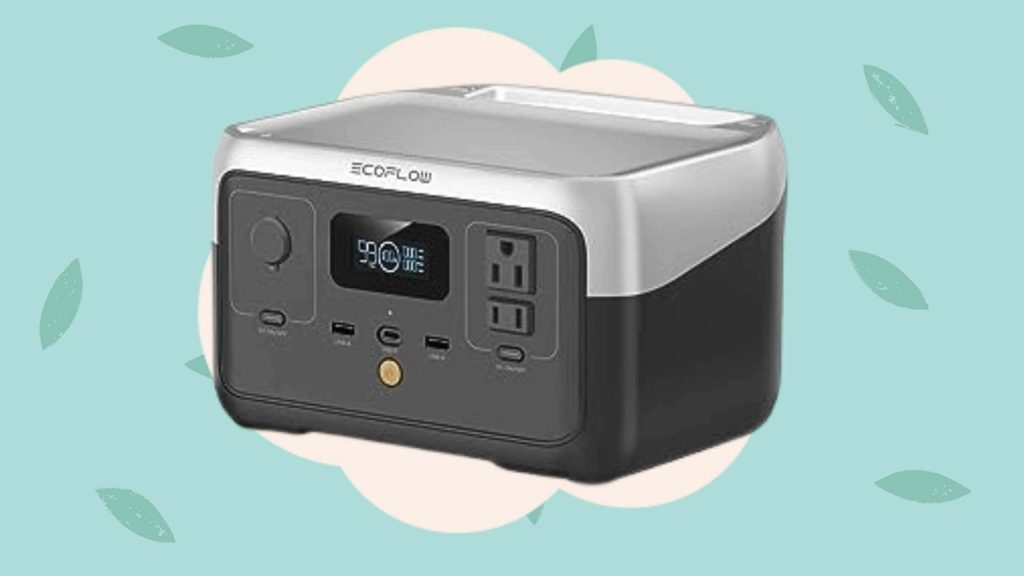
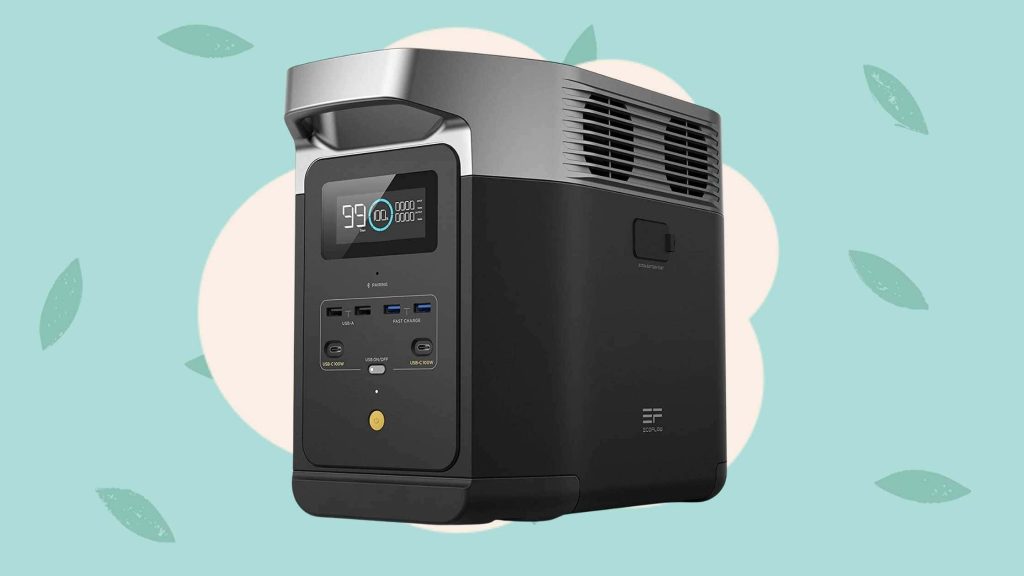
EcoFlow RIVER vs DELTA
Both EcoFlow RIVER vs DELTA offer powerful and reliable off-grid power, but how do they compare and which one is better? In this article, we look at the EcoFlow RIVER and DELTA series to analyze how they compare in terms of capacity, output, outlets, weight and portability, and price.
What is the EcoFlow River Series?
The EcoFlow River Series is a line of portable power stations ideal for camping, tailgating, and outdoor events, featuring four models: R300, R500, R600, and Pro. Equipped with advanced LiFePO4 batteries for a lifespan of over 3,000 charge cycles, they offer fast X-Stream charging. Weighing 7 to 20 pounds and priced between $239 and $599, these units provide battery capacities from 256Wh to 882Wh, making them budget-friendly, lightweight options for powering devices from smartphones to small appliances.

Key Features
- Battery Capacity: Devices in the River Series range from 288Wh up to 720Wh.
- Charging Speed: X-Stream charging to 80% in less than 1 hour via AC, and 3 hours using solar panels.
- Multiple Ports: AC, USB-C, USB-A, DC
Pros
- Versatile: The EcoFlow RIVER series is capable of powering devices up to 1200W, which is impressive for smaller batteries of this size.
- Easy to Transport: Devices in the RIVER Series are lightweight and easy to bring on the go.
- Fast charging: The EcoFlow RIVER series also includes blazing fast X-Stream Fast Charging technology.
- Expandable: Devices like the EcoFlow RIVER Pro are modular and can be expanded to increase battery capacity.
Cons
- Difficult to reach AC sockets: According to some customer feedback, the AC ports on the EcoFlow RIVER Pro can get obstructed.
- Issues with DC charging: Customers on the EcoFlow reddit community report issues wherein RIVER DC charging fails, even on new power stations.
- Delicate charging flap: Some users report that the charging flap on the EcoFlow RIVER Pro is flimsy.
RIVER Top Picks
- RIVER 2 on Amazon
- RIVER 2 on REI
- RIVER 2 Max on Amazon
- RIVER 2 Max on REI
- RIVER 2 Pro on Amazon
- RIVER 2 Pro on REI
What is the EcoFlow Delta Series?
The EcoFlow Delta series is a line of high-capacity power stations designed for higher power needs and extended use. Models like the Delta Pro have the ability to support 90% of household appliances.
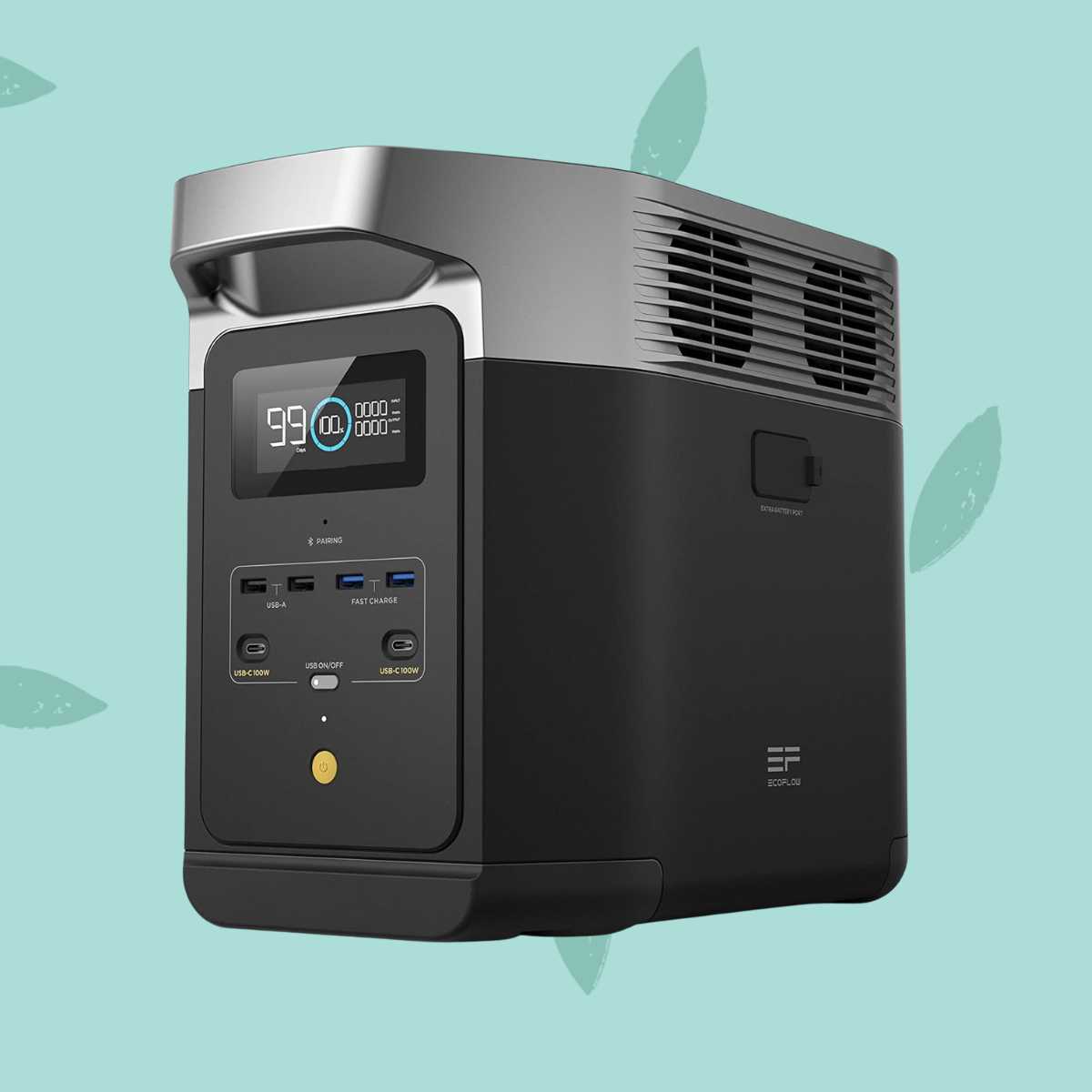
In comparison to the River series, the EcoFlow DELTA series offer much higher battery capacities ranging from 1.24kWh to 25kWh, prices ranging from $980 to $3,499 and weight between 27 to more than 60 pounds, making these great solutions for running larger devices and even supporting an entire household of appliances. With multiple AC outlets and USB ports, the Delta provides a lot of options for charging various devices simultaneously.
Key Features
- Large Battery Capacity: Delta series models deliver capacity from 1,024Wh to 48,000Wh, and can run anything from a smartphone to a household fridge.
- High Output Power: Delta models pack a heavy power punch, with AC output starting at 1,800-watts for the Delta 2 and scaling up to 4,000-watts for the Delta Pro 3.
- Long Cycle Life: Models in the Delta series typically have around 3,000 cycles with LFP batteries, designed to give you 10+ years of use.
Pros
- Fast Charging Speeds: EcoFlow’s X-Stream technology can recharge in less than an 1 hour. Solar input is high, ranging from 1000-watts to 1200-watts. This helps deliver fast solar charging at about 3 hours.
- Multiple Ports: Devices in this series provide a generous number of ways to plugin devices, from 14 to 15 ports including AC, USB-C, USB-A ports, and DC.
- Remote Management: Delta Series power stations are Bluetooth and WiFi enabled and can be remotely controlled using an app.
Cons
- Pricey: The Delta series models are more expensive than some of the competition, although EcoFlow’s unique features like super fast charging and expandable capacity justify the price.
- Heavy: Units like the Delta Pro tend to be heavier than some of the competition, weighing in at 84 lbs. +. However, models like the Delta Pro have wheels to make it easier to move around.
DELTA Top Picks
EcoFlow RIVER vs DELTA Feature Comparison
EcoFlow DELTA models have larger battery capacity.
DELTA capacity ranges from 4096Wh up to 48kWh, while RIVER capacity ranges from 256Wh to 1440Wh. In addition, all of the DELTA units have expansion options.
With the exception of the RIVER and RIVER Pro, all EcoFlow models have LiFePO4 batteries.
LiFePO4 technology is more stable and durable than its counterpoint Nickel Manganese Cadmium.
DELTA models deliver more output power.
DELTA portable power stations AC output ranges from 1,400W (2,100W peak surge) to 3,600W (4,500W peak surge), depending on the model. RIVER portable power stations AC output ranges from 300W (600W peak surge) to 600W (1,200W peak surge).
Both DELTA and RIVER have fast charging capabilities.
Most DELTA and RIVER power stations can recharge to 80% within 1 hour using their Fast X-Boost.
DELTA provides more outlets and ports to plug into.
RIVER power stations have between 6 and 11 ports, and DELTA have anywhere from 10 to 15 ports, depending on the model. The port selection on both include AC, DC, USB-A, 18W USB-A fast-charge, and 100W USB-C outlets and ports.
Most EcoFlow models can be remotely controlled.
With the exception of the RIVER and RIVER Pro, all EcoFlow models are Bluetooth and WiFi enabled.
RIVER power stations are significantly more lightweight than the DELTA models.
RIVER power stations weigh between 7.7 lbs (3.49 kg) and 16.8 lbs (7.6kg), and DELTA power stations weigh between 23.6 lbs (10.7 kg) and 99 lbs (45 kg).
DELTA power stations have higher solar input.
RIVER models supports solar input from 110-watts to 220-watts, which DELTA supports solar input from 300-watts to 1600-watts.
Model Comparisons
- EcoFlow Review: Are these Power Stations Worth the Price?
- EcoFlow RIVER Pro Review
- EcoFlow RIVER vs Jackery: Best Portable Power? Watch This Video
- EcoFlow RIVER 2 Max Review: Lots of Power in a Little Package
- EcoFlow Battery Technology: Advanced Portable Power Solutions
EcoFlow DELTA Data Table
| EcoFlow DELTA Pro 3 | EcoFlow DELTA 2 | EcoFlow DELTA 2 Max | EcoFlow DELTA Pro | |
|---|---|---|---|---|
| Battery Capacity | 4096Wh (expands to 48kWh | 1,000Wh (expands to 3,000Wh) | 2,048Wh (expandable to 6,144Wh) | 3,600Wh (expands to 25,000Wh) |
| Battery Type | LiFePO4 | LiFePO4 | LiFePO4 | LiFePO4 |
| Expandable Battery | No | Yes | Yes | Yes |
| Life Span | 800+ cycles to 80%+ capacity | 3,000+ cycles to 80%+ capacity | 3,000+ cycles to 80%+ capacity | 3,000+ cycles to 80%+ capacity |
| Recharge Time | + 1 hour via AC + 3 to 6 hours via 1x 400W Solar Panel + 4 to 8 hours via 2x 160W Solar Panels + 9.5 hours via 12/24V Car Port | + 90 min via AC + 3 hours via solar with 2x 110W Solar Panels + 4 to 8 hours via 2x 160W Solar Panels + 6.5 hours via 12V Car Port | + 1.2 to 1.5 hours via AC + 2 to 3 hours via Solar Panel +11 hours via 24V +21 hours via 12V | + 3 hours via AC + 3 to 6 hours via 1x 400W Solar Panel + 4 to 8 hours via 2x 160W Solar Panels + 21 hours via 12V car port |
| AC Output | 4000W (6000W X-Boost) | 1,800W (2,700W surge) | 2,400W (4,600W surge) | 3,600W (4,500W surge) |
| Solar Input | Max 2600-watts | Max 500-watts | Max 1000-watts | Max 1600-watts |
| Weight | 113.5 lbs (51.5 kg) | 27 lbs (12.25 kg) | 48 lbs (21.8 kg) | 99 lbs (45 kg) |
| Ports | 10 total outlets & ports: + 4 x AC outlets (120V/240V) + 2 x USB-A (18W each) + 2 x USB-C (100W Max) + 1 x DC carport (126W Max) | 15 total outlets & ports: + 6 x AC ports (1800W total) + 2 x USB-A fast-charge (18W Max) (18W Max) + 2 x USB-A + 2 x USB-C (100W Max) + 2 x DC5521 (38W Max) + 1 x DC carport (126W Max) | 15 total outlets & ports: + 6 x AC outlets (2400W total) + 2 x USB-A fast-charge (18W Max) + 2 x USB-A (12W Max) + 2 x USB-C (100W Max) + 2 x DC5521 (38W Max) + 1 x DC carport (126W Max) | 15 total outlets & ports: + 5 x AC outlets (3600W total) + 2 x USB-A fast-charge (18W Max) + 2 x USB-A (12W Max) + 2 x USB-C (100W Max) + 1 x 12.6V car port + 2 x DC5521 (38W Max) + 1 x Andersen (12.6V, 30A) |
| Connection | Wi-Fi & Bluetooth | Wi-Fi & Bluetooth | WiFi | WiFi, Bluetooth |
| Warranty | 5 years | 5 years | 2 years | 2 years |
| Light (10W) | 409.6 hours runtime | 100 hours | 201.6 hours | 360 hours |
| CPAP (40W) | 102.4 hours runtime | 25 hours | 50.4 hours | 90 hours |
| Refrigerator (120W) | 34.1 hours runtime | 8.3 hours | 16.8 hours | 30 hours |
| Washing Machine (500W) | 8.2 hours runtime | 2 hours | 4 hours | 7.2 hours |
| Electric Drill (1,080W) | 3.8 hours runtime | 56 minutes | 1.85 hours | 3.33 hours |
EcoFlow RIVER Data Table
| EcoFlow RIVER 2 | EcoFlow RIVER 2 Max | EcoFlow RIVER 2 Pro | EcoFlow RIVER Pro | |
|---|---|---|---|---|
| Battery Capacity | 256Wh | 512Wh | 768Wh | 720Wh (expands to 1440Wh) |
| Battery Type | LiFePO4 | LiFePO4 | LiFePO4 | NCM |
| Expandable | No | No | No | Yes |
| Life Span | 3,000+ cycles to 80%+ capacity | 3,000+ cycles to 80%+ capacity | 3,000+ cycles to 80%+ capacity | 800+ cycles to 80%+ capacity |
| Recharge Time | + 1 hour via AC + 3 hours via solar + 3.5 to 5 hours via DC carport + 4 to 5 hours via USB-C | + 1 hour via AC + 4.5 to 9 hours + 3 hours via DC carport + 4 to 5 hours via USB-C | + 70 min via AC + 3 to 6 hours via Solar + 5 to 9 hours via Solar + 3 hours via DC carport | + 1.2 hours via AC + 3 to 6 hours via 1x 400W Solar Panel + 6 to 12 hours via Solar + 8 hours via DC carport |
| AC Output | 300W (600W surge) | 500W (1,000W surge) | 800W (1,600W surge) | 600W (1,200W surge) |
| Solar Input | Max 110-watts | Max 220-watts | Max 220-watts | Max 200-watts |
| Weight | 7.7 lbs (3.4 kg) | 13.3 lbs (6 kg) | 17.2 lbs (7.8 kg) | 16.8 lbs (7.6 kg) |
| Ports | 6 total outlets & ports: + 2 x AC outlets + 3 x USB-A (12W max) + 1 x USB-C (60W max) + 1x 12V DC car port (120W max) + 1 x DC5521 port (36W max) | 9 total outlets & ports: + 2 x AC outlets + 3 x USB-A (12W Max) + 2 x DC5521 (36W Max) + 1 x USB-C (100W Max) + 1 x DC carport (126W max) | 11 total outlets & ports: + 4 x AC outlets + 3 x USB-A (12W Max) + 1 x USB-C (100W Max) + 1 x DC carport (126W max) + 2 x DC5521 (38W Max) | 10 total outlets & ports: + 3 x AC outlets + 2 x USB-A (12W Max) + 1 x USB-A fast-charge (18W Max) + 1 x USB-C (100W Max) + 1 x DC car port (136W) + 2 x DC5521 (3A Max) |
| Connection | n/a | WiFi, Bluetooth | WiFi, Bluetooth | WiFi, Bluetooth |
| Warranty | 5 years | 5 years | 5 years | 2 years |
| Light (10W) | 25.6 hours runtime (AC) | 51.2 hours runtime (AC) | 76.8 hours runtime (AC) | 72 hours runtime (AC) |
| CPAP (40W) | 6.4 hours runtime (AC) | 12.8 hours runtime (AC) | 19.2 hours runtime (AC) | 18 hours runtime (AC) |
| Laptop (60Wh) | 3-4 charges (USB-C) | 7-8 charges (USB-C) | 10-12 charges (USB-C) | 10-12 charges (USB-C) |
| Refrigerator (120W) | 2.1 hours runtime (AC) | 4.3 hours runtime (AC) | 6.4 hours runtime (AC) | 6 hours runtime (AC) |
| Rice Cooker (1000W) | n/a | n/a | n/a | 40 minutes (AC) |
1. What is the difference between EcoFlow RIVER and DELTA series?
In summary, the DELTA series have higher battery capacity that ranges between _____Wh to 25kWh, more power output, expandable lithium batteries, are less portable and are better suited for larger power needs, while the RIVER series have less capacity and output, are more portable and better suited for smaller power needs.
2. Where is EcoFlow made?
EcoFlow portable power stations are primarily designed and developed in the United States, while manufacturing takes place in China. The company combines American engineering and design expertise with advanced production capabilities in China to create high-quality portable power solutions.
3. What is the EcoFlow DELTA Mini?
The EcoFlow DELTA Mini is a compact portable power station for on-the-go power, and delivers 882Wh capacity, 1400W AC output, 300W solar input, weighs about 23 pounds and is ideal for charging small devices like smartphones, mini bluetooth speakers, and wearable tech like an Apple Watch. The DELTA Mini has less capacity and output compared to its larger counterparts in the DELTA series.
4. What are the advantages of using solar panels with EcoFlow power stations?
Using solar panels with EcoFlow power stations allows you to use solar power to charge your portable power station with a renewable and eco-friendly power source, reducing your dependance on traditional electricity. It’s a great option for people that spend a lot of time outdoors, or just anybody looking for sustainable energy solutions.
5. How does the EcoFlow app enhance the user experience?
The EcoFlow app lets you to monitor and control your the power station remotely, including checking the battery level, adjusting the power output, and receiving real-time notifications.
6. Can I add an extra battery to my EcoFlow power station?
Yes, you can add an extra battery to some EcoFlow power stations in the Delta and River series. EcoFlow expandable batteries include the RIVER Pro Extra Battery from 720Wh to 1440Wh, the DELTA 2 Smart Extra Battery from 1,000Wh to 3,000Wh, the DELTA Max Smart Extra Battery from 2,016Wh to 6,048Wh and the DELTA Pro Smart Extra Battery from 3,600Wh to 25,000Wh.
7. How does the EcoFlow Delta series compare to the River series?
The Delta series delivers higher capacity, AC output, solar input and ports to supply power for almost any situation, from camping to home backup to off-grid #vanlife living, in addition to being heavier, less portable and more expensive. The RIVER series portable power stations have less capacity, AC output, solar input and fewer ports, but are lightweight, easy to transport and budget-friendly to provide power on the go.
8. Can EcoFlow Delta power a refrigerator?
Yes, EcoFlow DELTA portable power stations can power a household refrigerator for varying amounts of time, depending on battery capacity and AC output. The DELTA 2 can run 120-watt refrigerator for about 8 hours, the DELTA Max (2000) for about 16 hours and the DELTA Pro for about 30 hours.
9. What can I power with EcoFlow Delta?
The EcoFlow Delta portable power stations gives you power for almost type of appliance or device, from small gadgets like smartphones, laptops and speakers, to medium-sized household appliances like refrigerators, microwaves, electric stoves, to energy-hungry gear like power drills, saws, sanders.
10. Is EcoFlow made in the USA?
EcoFlow is headquartered in San Francisco, California USA, with manufacturing facilities in Shenzhen, China, where over 80% of all the world’s lithium batteries are created.
11. Can the Ecoflow River Pro and Ecoflow Delta Mini be charged with a solar panel?
Yes, both the EcoFlow RIVER Pro and the EcoFlow DELTA Mini can be charged with solar power. The RIVER Pro can be charged in 3 to 6 hours with a single 400-watt solar panel or 6 to 12 hours using one 160-watt panel; while the DELTA Mini can be charged in 3 to 6 hours with one 400-watt solar panel, or in 4 to 8 hours with two 160-watt solar panels,
12. Is the DELTA Pro or RIVER Pro better for backup power during a power outage?
The DELTA Pro is better during a power outage because it can provide anywhere from 3,600Wh to 25,000Wh of battery capacity, with 3,600-watts AC output (4,500-watts surge), meaning that it can run more devices and appliances for longer. In comparison, the RIVER Pro delivers 720Wh to 1440Wh of capacity, and 600-watts AC output (1,200-watts surge).
13. Can I add an extra battery to both the Ecoflow Delta and Ecoflow River?
Yes, depending on the model, you can add expansion batteries to both the EcoFlow DELTA and EcoFlow RIVER. For example, both the EcoFlow DELTA Pro and EcoFlow RIVER Pro allow for additional battery expansion.
Final Thoughts
In conclusion, when comparing the EcoFlow RIVER VS DELTA, RIVER portable power stations are budget-friendly, lightweight, and great for when you’re on-the-go. However, it has a lower capacity, but can supply enough power for small devices like lights, smartphones, laptops and even refrigerators.
On the other hand, DELTA portable power stations are larger and more powerful, capable of providing enough energy to power an entire household of appliances. Conversely, DELTA power stations are heavy, costlier, more difficult to transport and not as portable for mobile use.