
Bluetti vs Anker: How Do They Compare?
Bluetti and Anker have established themselves as leaders in portable power, but how do they compare when you evaluate their products side-by-side? Which brand can truly meet your needs?
In this post, we’ll do a comprehensive portable power station review of both brands and look at key features like capacity, battery charge cycles, power output and charging options.
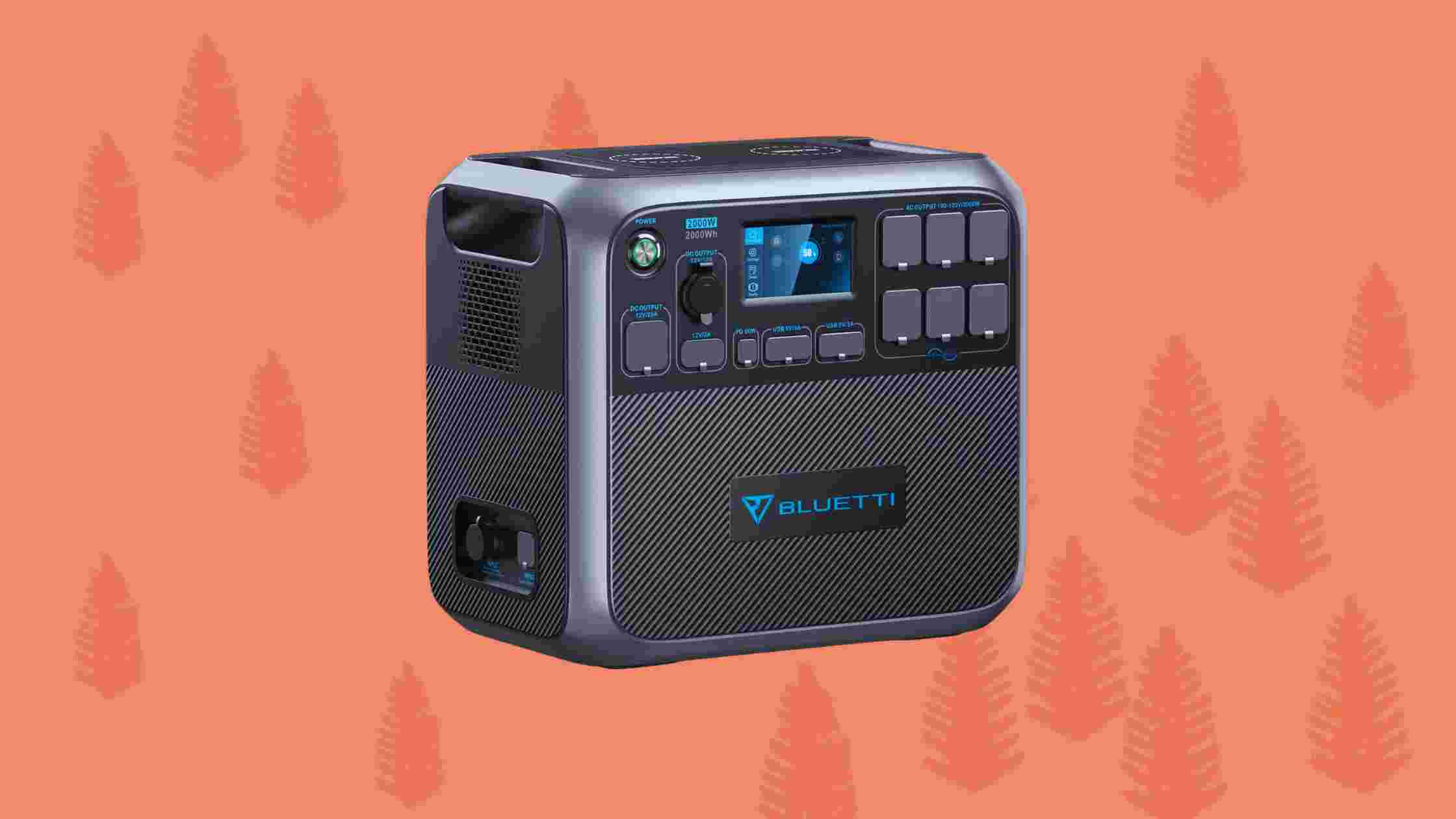
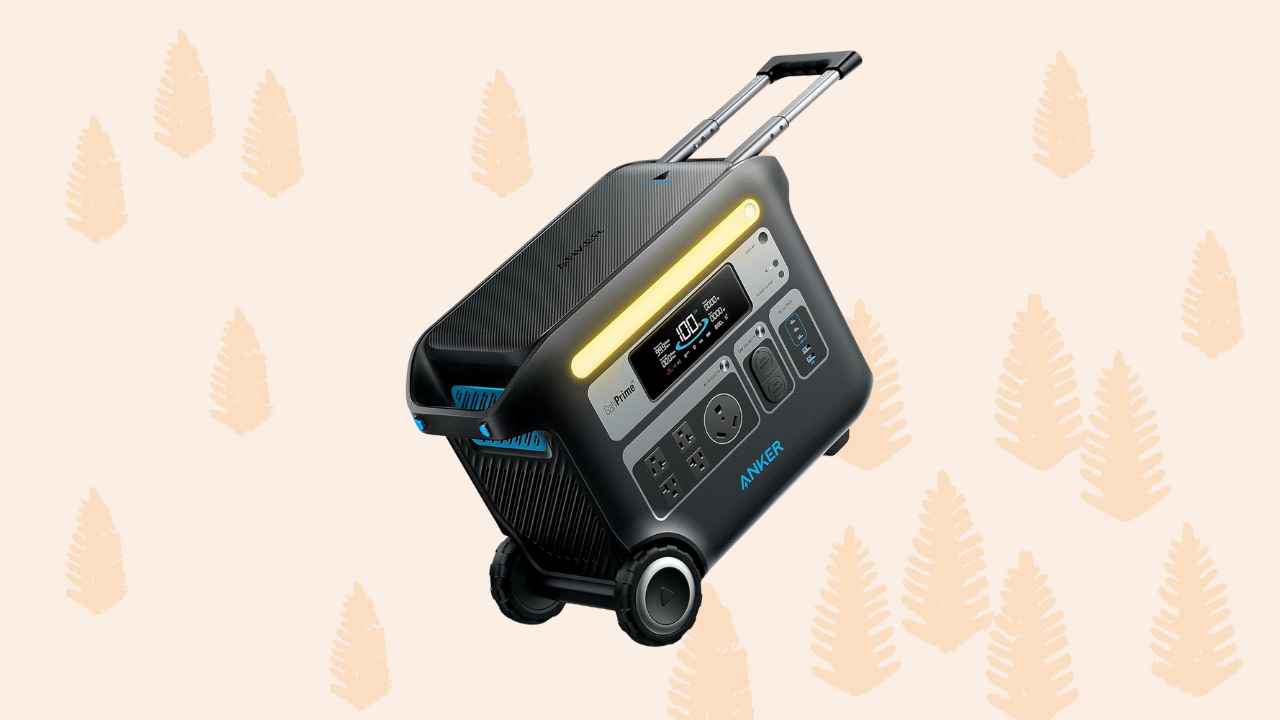
Bluetti vs Anker: Model Comparisons
In this section, we’ll explore how Bluetti and Anker power stations perform in real-world scenarios, focusing on RV life, emergencies, and everyday use.
Bluetti EB3A vs. Anker 521 PowerHouse

- [30 Min Fast Charging] – A single charging cable…
- [Tiny but Mighty] – With a 600W AC inverter, 268Wh…
- [Harness the Power of Sun] – The built-in MPPT…
- [Safe & Reliable] – EB3A with LiFePO4 cells, recharges…
- [What You Get] – BLUETTI 268Wh portable power station…


- Robust High-Wattage Support: SurgePower technology…
- Decade-Long Performance: InfiniPower technology…
- Multi-Device Charging Hub: Equipped with 6 diverse…
- Streamlined Fast Charging: The built-in USB-C port…
- Extended Energy Reserve: Boasting a 256Wh capacity, the…
| Specification | Bluetti EB3A | Anker 521 PowerHouse |
|---|---|---|
| Battery capacity | 268.8 Wh (12Ah) | 256 Wh |
| Cell type | LiFePO4 | Not specified |
| AC output (continuous / surge) | 600 W / 1200 W | 200 W / — |
| DC output (cigarette-lighter / ports) | 12V ⎓ 10A; 2 × USB-A (5V ⎓ 3A); 1 × USB-C 100W; 15W wireless pad | 12V ⎓ 10A; 2 × USB-A (5V ⎓ 3.6A total, 2.4A max per port); 1 × USB-C 60W |
| AC input (max charging power) | 268W Max | Not specified |
| Solar input (max) | 200W Max | 65W Max |
| DC (car) input | 200W Max | 120W (12V car charger) |
| UPS (transfer time) | Not specified | Not specified |
| Dimensions (L × W × H) | 255 × 180 × 183 mm (10.04 × 7.09 × 7.20 in) | 216 × 211 × 144 mm (8.5 × 8.32 × 5.67 in) |
| Weight | 4.6 kg (10.14 lb) | 4.34 kg (9.57 lb) |
Estimated Full-Charge Times (0 → 100%)
| Charge method | EB3A | 521 PowerHouse |
|---|---|---|
| AC (max) | ≈ 1.0 h (268.8 Wh ÷ 268 W) | Not calculable (AC input not specified) |
| Solar (max) | ≈ 1.3 h (268.8 Wh ÷ 200 W) | ≈ 3.9 h (256 Wh ÷ 65 W) |
| 12 V car DC | ≈ 1.3 h (268.8 Wh ÷ 200 W) | ≈ 2.1 h (256 Wh ÷ 120 W) |
What the Numbers Mean
1. Capacity & Chemistry
- Both units have nearly identical capacity (~260 Wh), but only the Bluetti specifies LiFePO4 chemistry for superior longevity and safety.
2. Output Performance
- Bluetti’s 600W AC output is 3x more powerful than Anker’s 200W, handling power tools and kitchen appliances
- EB3A adds 1200W surge capability vs none listed for Anker
- Both offer 100W+ USB-C, but Bluetti includes wireless charging
3. Charging Speed
- AC charging: Bluetti offers fast 1-hour wall charging; Anker’s AC input is unspecified
- Solar charging: Bluetti is 3x faster (1.3h vs 3.9h) with superior 200W vs 65W solar input
- Car charging: Anker is moderately faster (2.1h vs 1.3h) but both charge reasonably quickly
4. Portability
- Weights are nearly identical (~4.5 kg)
- Anker is more compact in footprint but Bluetti isn’t significantly larger
Bottom Line:
- Choose the Bluetti EB3A for significantly higher AC output power (600W vs 200W), faster charging (especially solar), LiFePO4 chemistry, and wireless charging capability.
- Choose the Anker 521 PowerHouse only if you need the most compact form factor and don’t require high-power AC output—though its unspecified AC input and limited solar charging make it less versatile overall.
Bluetti AC200L vs Anker SOLIX F1200
No products found.
No products found.
Specifications Comparison
| Specification | Bluetti AC200L | Anker SOLIX F1200 |
|---|---|---|
| Battery Capacity | 2048 Wh | 1229 Wh |
| Cell Type | LiFePO4 | LiFePO4 |
| AC Output Power | 2400W | 1500W |
| AC Output Surge | 3600W | 1828W |
| DC Output | 12V/10A + 5V/3A + 100W USB-C + 48V/8A | 5V 2.4A (12W Max) + 100W USB-C + 60W USB-C |
| AC Input Charging | 2400W Max | 1000W |
| Solar Input | 1200W Max | 300W Max |
| DC Input | 1200W Max | 120W (12V car charger) |
| UPS | ≤20ms | Not specified |
| Dimensions | 420×280×366.5mm (16.5×11×14.4in) | 462×287×236mm (18.2×11.3×9.3in) |
| Weight | 28.3kg (62.4lbs) | 19.9kg (43.9lbs) |
Estimated Full-Charge Times
| Charge method | Bluetti AC200L | Anker SOLIX F1200 |
|---|---|---|
| AC (max) | ≈ 0.85 hours (2048 Wh ÷ 2400W) | ≈ 1.0 h (768 Wh ÷ 750 W) |
| Solar (max) | ≈ 1.71 hours (2048 Wh ÷ 1200W) | ≈ 4.10 hours (1229 Wh ÷ 300W) |
| 12 V car DC | ≈ 1.71 hours (2048 Wh ÷ 1200W) | ≈ 10.24 hours (1229 Wh ÷ 120W) |
Key Performance Differences
1. Battery Capacity
- The Bluetti AC200L offers 67% more energy storage (2048 Wh vs 1229 Wh), providing significantly longer runtime for devices and appliances.
2. Output Power
- Bluetti delivers 60% more AC power (2400W vs 1500W) with surge protection up to 3600W
- AC200L includes high-power 48V/8A output for specialized equipment
- Both feature 100W USB-C PD ports, but Bluetti adds more diverse output options
3. Charging Speed
- AC charging: Bluetti is 45% faster despite having 67% more capacity
- Solar charging: Bluetti is 2.4x faster with 4x the solar input capacity (1200W vs 300W)
- DC charging: Bluetti is 6x faster with 10x the input power (1200W vs 120W)
4. Advanced Features
- Bluetti includes UPS functionality with 20ms transfer time
- AC200L supports dual charging (AC + solar/DC simultaneously)
- More comprehensive output options including 48V for RV/marine applications
5. Portability
- The Anker SOLIX F1200 is 42% lighter (43.9 lbs vs 62.4 lbs), more compact, and easier to carry.
Bottom Line
Choose the Bluetti AC200L if you need:
- Maximum energy storage and runtime
- Fastest charging across all methods
- High-power AC output for heavy appliances
- UPS backup functionality
- Professional/RV applications
Choose the Anker SOLIX F1200 if you need:
- Lighter weight and better portability
- Sufficient power for moderate needs
- Proven reliability from established brand
- Lower initial investment
Bluetti EB705 vs Anker SOLIX C800

- [Great Capacity to Size Ratio] – With 716Wh LFP cells…
- [Power All Loads for the Road] – EB70S has everything…
- [Fast Recharging] – With the built-in MPPT controller…
- [2500+ Life Cycles to 80%] – The solar generator…
- [What You Get] – BLUETTI EB70S portable power station…

- 3-Mode Versatile Camping Lights: Power outdoor life…
- Fully Power Multiple Appliances: No more compromising…
- More Power and More Ports: Plug in up to 10 appliances…
- Power Every Day for 10 Years: Thanks to InfiniPower…
- Recharge in a Rush: When you need to hit the road, turn…
Specifications Comparison
| Specification | Bluetti EB70S | Anker SOLIX C800 |
|---|---|---|
| Battery capacity | 716 Wh | 768 Wh |
| Cell type | LiFePO₄ prismatic cells | LiFePO₄ prismatic cells |
| AC output (continuous / surge) | 800 W / 1 400 W | 1 200 W / — (surge not listed) |
| DC output (cigarette-lighter / ports) | 12 V ⎓ 10 A; 2 × USB-A (5 V ⎓ 3 A); 1 × USB-C 100 W; 15 W wireless pad | 12 V ⎓ 10 A car outlet; 2 × USB-A (5 V ⎓ 2.4 A); 2 × USB-C 100 W & 30 W |
| AC input (max charging power) | 200 W | 750 W (standard) / 1 100 W “UltraFast” |
| Solar input (max) | 200 W @ 12–28 V | 300 W @ 11–60 V |
| DC (car) input | 200 W max | 120 W (12 V ⎓ 10 A car charger) |
| UPS (transfer time) | Not specified | 20 ms |
| Dimensions (L × W × H) | 320 × 216 × 221 mm (12.6 × 8.5 × 8.7 in) | 371 × 205 × 250 mm (14.6 × 8.1 × 9.8 in) |
| Weight | 9.7 kg (21.4 lb) | 10.5 kg (23.1 lb) |
Estimated Full-Charge Times
| Charge method | EB70S | SOLIX C800 |
|---|---|---|
| AC (max) | ≈ 3.6 h (716 Wh ÷ 200 W) | ≈ 1.0 h (768 Wh ÷ 750 W) |
| “UltraFast” AC | — | ≈ 0.7 h (768 Wh ÷ 1 100 W) |
| Solar (max) | ≈ 3.6 h (716 Wh ÷ 200 W) | ≈ 2.6 h (768 Wh ÷ 300 W) |
| 12 V car DC | ≈ 3.6 h (716 Wh ÷ 200 W) | ≈ 6.4 h (768 Wh ÷ 120 W) |
Key Performance Differences
1. Capacity & Chemistry
- Both units use long-life LiFePO₄ cells, but the Anker holds about 7% more energy (768 Wh vs 716 Wh).
2. Output Performance
- Anker’s 1 200 W AC inverter gives 50% more continuous power, suitable for heavier appliances.
- Bluetti’s 800 W AC output is ample for laptops, TVs, and small kitchen devices, but may trip on high-draw tools.
3. Charging Speed
- At the wall, SOLIX C800 is dramatically faster (≈1 h vs ≈3.6 h) thanks to its 750 W input—and even quicker (≈0.7 h) with UltraFast 1 100 W mode.
- Solar charging favors Anker too (300 W vs 200 W), cutting daylight top-up time by roughly an hour.
- Bluetti’s higher 200 W car input halves 12 V charging time compared with Anker’s 120 W limit.
4. Portability & UPS
- Weights are similar (≈10 kg), but Anker is physically larger.
- Only SOLIX C800 offers true UPS with 20 ms transfer—handy for desktop PCs or CPAP machines.
Bottom Line:
Choose the Bluetti EB70S for lighter AC loads, identical solar/DC charge performance, and a slightly more compact form factor. Opt for the Anker SOLIX C800 if you need quicker wall/solar charging, higher AC output, or built-in UPS capability.
Bluetti EB3A vs Anker 521
- For everyday use like keeping laptops, phones, and small household electronics charged, the Bluetti EB3A has 600W continuous power (1200W surge), with capacity of 268Wh.
- This makes it a solid choice for camping, working outdoors, or as a backup for smaller devices in the home.
- The Anker 521 provides 200W continuous power (400W surge), with capacity of 256Wh, making it a little less powerful but still good for light, everyday tasks.
- However, Bluetti’s higher power output and more power outlets allow it to run a broader range of devices, making it a better all-around option for users who need more flexibility.
Summary
In real-world situations, Bluetti generally excels in scenarios requiring more capacity and power output, such as RV living and extended emergency use. Anker, while solid for light-duty or short-term use, tends to lag behind Bluetti in both power and versatility.
Whether you’re looking for a reliable uninterruptible power supply for your RV, a backup for emergencies, or a station for everyday needs, Bluetti’s superior specifications make it the more robust option across multiple use cases.
Bluetti vs Anker Top Picks
- Bluetti EB55 vs Anker 535 Comparison Guide
- Bluetti EB3A vs Anker 521 Comparison Guide
- Bluetti AC200Max vs Anker SOLIX F2000
- Bluetti AC180 vs Anker SOLIX C1000: Which offers better value for the money?
- Bluetti EB705 vs Anker SOLIX C800: Which is Better for Emergencies?
FAQs: Bluetti vs Anker
Are Bluetti power stations reliable?
Yes, Bluetti power stations are highly reliable, especially for heavy-duty use. With LiFePO4 batteries, high capacity, and long charge cycles, Bluetti is a great choice for RVs, emergencies, and off-grid applications.
Which portable power station charges faster, Bluetti or Anker?
Anker models often have faster charging times. For example, the Anker SOLIX C800 can charge in as little as 1 hour when plugged into an AC outlets, while Bluetti models can take 3+ hours to charge fully via the same method.
Can Anker or Bluetti power an RV?
Yes, both brands offer models suitable for RVs. However, Bluetti models like the AC200P are better for RV use due to their higher capacity and power output, allowing them to run larger appliances more efficiently.
Conclusion: Bluetti or Anker—Which Should You Choose?
In the battle of Bluetti vs Anker, both brands offer impressive portable power stations, but the best choice depends on your needs.
Bluetti stands out with its higher capacity, longer charge cycles, and greater power output, making it ideal for RV enthusiasts, off-grid adventurers, and those needing reliable emergency power.
Meanwhile, Anker shines with faster charging times and more compact options for users seeking portability and convenience.