
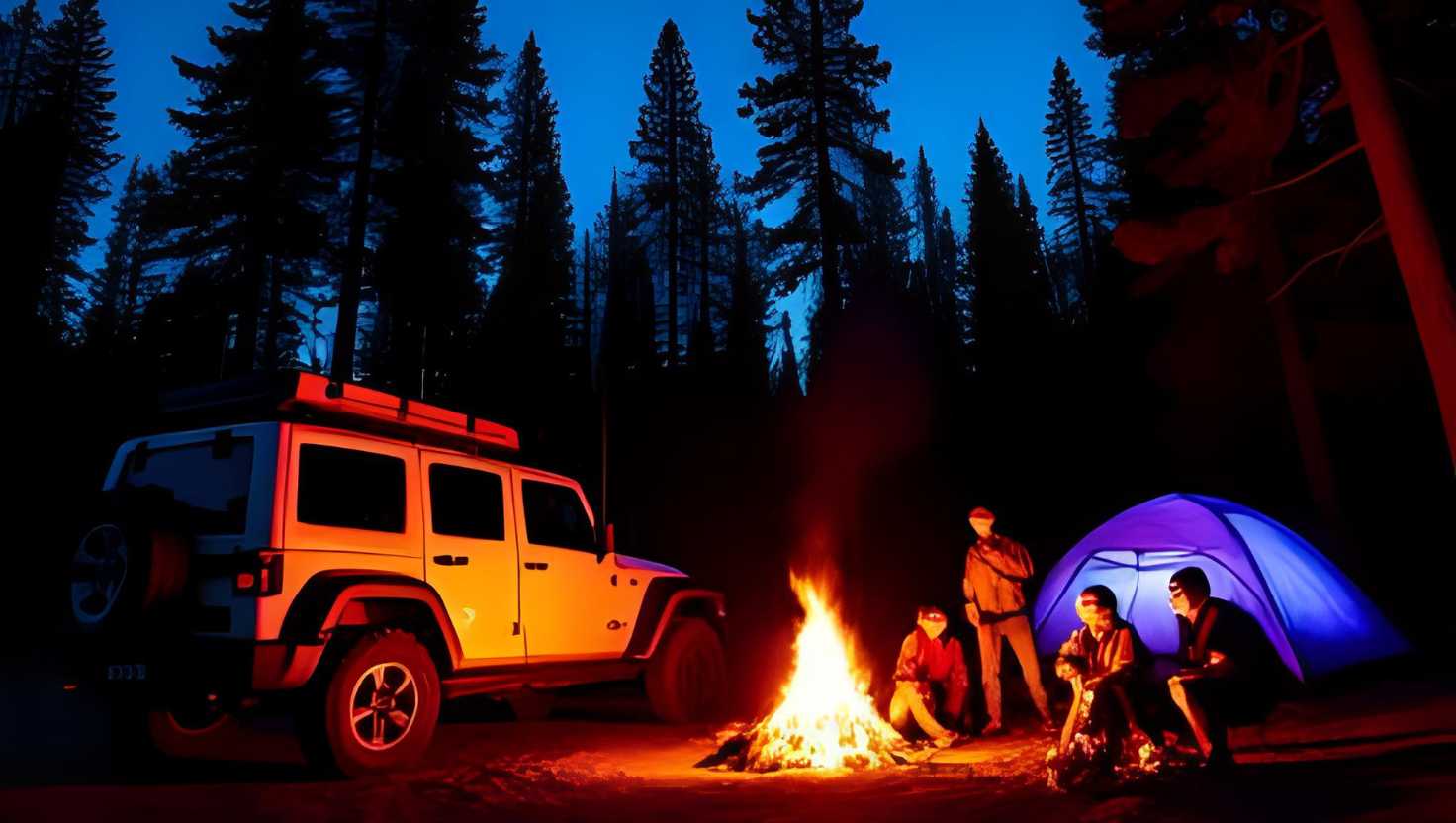
Here’s a curated list of car camping essentials that balance functionality, comfort, and practicality.
Shelter and Sleeping
Tent and Footprint
Your tent is your main shelter, so it’s important to choose one that fits your needs. Look for a tent that’s easy and quick to set up and provides good ventilation. Adding a footprint—a ground cover that fits under your tent—can help protect the tent floor from bugs, dirt, moisture and rocks.
No products found.
No products found.
No products found.
No products found.
Sleeping Bag and Pad
A cozy sleeping bag is essential for staying warm on chilly nights. Check the sleeping bag temperature rating to make sure it matches the seasons you’ll be camping in. Pair it with a sleeping pad to add cushioning between you and the ground. This improves comfort and provides insulation for cold nights.
No products found.
No products found.
No products found.
Air Mattress or Cot
Air mattresses offer extra cushioning, while cots keep you off the ground and away from bugs and moisture.
No products found.
No products found.
Camp Pillows
A good pillow can make a big difference. Bring one from home for extra comfort or choose an inflatable camping pillow to save space.
No products found.
Hammock
A hammock is a relaxing way to enjoy the view and can also serve as a lounging spot during the day. Just be sure you have sturdy trees or supports to hang it from.
Camping Blanket
A camping blanket is versatile, adding extra warmth at night or serving as a cozy wrap while sitting around the campfire. Look for one that’s easy to pack and clean.
Window Coverings
Black-out window coverings for your vehicle can block the early morning sun, helping you rest well. Mesh window coverings provide ventilation while keeping bugs out, allowing for pleasant airflow in your sleeping area.
Camp Kitchen and Cooking Supplies
Cookware
- Pots and pans: Bring at least one sturdy pot (stainless steel or cast iron) for boiling water, soups, and stews, plus a frying pan or skillet for sautéing and frying.
- Griddle or grill rack: Useful for pancakes, bacon, or grilling over a fire.
- Dutch oven: Great for campfire baking, roasting, or slow-cooking meals.
- Kettle: For boiling water for coffee, tea, or instant meals.
- Cutting board and knife: Essential for safe and efficient food prep.
Utensils
- Cooking utensils: Spatula, tongs, ladle, and a long-handled spoon for stirring and serving.
- Eating utensils: Reusable forks, spoons, and knives for each camper.
- Other handy tools: Peeler, can opener, bottle opener, and measuring cups/spoons.
Food Storage Containers
- Airtight containers: Essential for keeping food fresh and preventing spills. Use a mix of sizes for leftovers, prepped ingredients, and snacks.
- Resealable bags: Useful for marinating, storing dry goods, or packing out trash.
- Bear-proof containers or hanging systems: If camping in bear country, use approved storage to keep wildlife away from your food.
Coolers
- High-performance cooler: Keeps perishables cold for several days. Top picks include the Titan Pro 55Q for capacity and insulation, or the Yeti Roadie 48 for portability and ease of use.
- Ice packs or block ice: Last longer than cubed ice and help maintain low temperatures.
- Internal baskets: Keep food organized and out of the melted ice at the bottom of the cooler.
How Should You Organize Your Camp Kitchen?
- Pre-pack a camp kitchen bin: Store all your dedicated camp kitchen gear in a single tote or bin. This makes packing and unpacking quick and ensures nothing is forgotten.
- Meal planning: Plan meals ahead and pre-portion ingredients at home to minimize waste and simplify cooking at camp.
- Separate cleaning kit: Pack dish soap, sponge, dish towels, and a collapsible basin for washing up. Bring trash bags and hand sanitizer for easy cleanup and hygiene.
- Keep essentials handy: Store fire-starting tools, fuel, and utensils in an accessible spot for quick setup.
- Use a checklist: Print or keep a digital checklist to track your gear and avoid missing critical items.
What Are Some Pro Tips for Camp Cooking and Food Safety?
- Keep raw and cooked foods separate to avoid cross-contamination. Use color-coded containers or bags if possible.
- Store food in sealed containers and keep your cooler in the shade to extend ice life.
- Hang trash and food bags away from your tent and out of reach of wildlife, especially in bear country.
- Bring extra utensils and cleaning supplies for unexpected messes or guests.
Lighting and Power
1. Portable Power Stations
- EcoFlow River Portable Power Station: A reliable pick for effortlessly powering several devices.
- Jackery Portable Power System: Dependable and user-friendly, ideal for charging phones, laptops, and more.
2. Portable Chargers and Power Banks. A lightweight, portable power bank ensures your devices stay charged.
3. Car Power Outlets. Convert your vehicle’s power for charging electronics.
4. Outlet Converters. Useful for adapting your chargers and electronics to different outlet types.
5. Lighting Solutions
- Headlamps. Crucial for nighttime tasks and hands-free lighting.
- Pop-Up Lanterns. Compact and bright, perfect for lighting larger areas.
- Solar-Powered Lanterns. Eco-friendly and ideal for off-grid adventures.
- String Lights. Add a cozy feel to your campsite with these decorative lights.
6. Electric Kettle. Great for making hot drinks and quick meals, as long as you have a power source.
7. Solar panels (such as Renogy 100-watt panels) can recharge your power station or USB devices during the day. Mount them on your vehicle or set them up at camp.
8. Communication Tools
- Two-way radios (walkie-talkies) and CB radios are reliable for group communication, especially in areas without cell service. Brands like Midland and Rugged Radios are popular for camping and overlanding.
- Satellite communicators (like the Garmin inReach Mini 2) provide two-way messaging, GPS tracking, and SOS features in remote areas. The inReach Mini 2 is lightweight and offers up to 14 days of battery life, but requires a subscription.
Campsite Furniture and Organization
- Camping Chairs: Opt for lightweight, foldable options that provide both comfort and portability. A cozy chair enhances evenings around the campfire.
- Camp Table: A compact, foldable table is versatile for meal prep and card games. Look for models that are easy to set up and pack away.
- Storage Bins: Durable, stackable bins keep your gear organized and accessible. Waterproof options protect your items from the elements.
- Gear Containers: Ideal for storing small items like utensils, flashlights, and first-aid kits. Clear containers make finding what you need easier.
- Bear Boxes: Essential in bear country for safely storing food and scented items. Check campground requirements for bear-resistant containers.
- Hammock: Lightweight and easy to hang between two trees, hammocks offer a relaxing spot during the day or a sleeping option at night if weather allows.
- Picnic Tables: While often provided by campgrounds, having a portable option ensures a clean, stable dining surface.
- Fire Pit Rings: Some sites offer these, but a portable version can be useful if camping in an area permitting open fires.
- Cornhole Set: Great for fun, a cornhole set helps create memories with friends and family.
- Campground Decor: Add a homey touch with string lights or a small outdoor rug to make your campsite inviting.
- Electrical Hookups: If available, ensure you have the right adapters and cords to use the power supply.
- Water Spigots: A collapsible water container simplifies accessing and storing water from spigots.
What Clothing Should You Wear Car Camping?
For car camping, pack moisture-wicking, quick-drying clothes in layers and bring sturdy, supportive footwear. Choose materials and styles that match the season and your planned activities for comfort and weather protection.
Base Layers
- Moisture-wicking shirts and underwear (polyester, nylon, or merino wool) are essential for all seasons. They keep sweat off your skin, helping you stay dry and comfortable whether it’s hot or cold1234.
- Avoid cotton for active wear—it holds moisture and dries slowly, which can make you cold and uncomfortable.
Insulating Layers
- Fleece jackets and pants provide warmth and dry quickly, making them great for chilly mornings or evenings123.
- Down or synthetic insulated jackets are lightweight and packable, offering extra warmth in cold weather.
- Vests add core warmth without restricting arm movement—good for layering in fall or spring.
Outer Layers
- Waterproof jackets and pants protect you from rain and wind. Always pack these, even if the forecast looks clear123.
- Lightweight long-sleeve shirts and pants shield you from sun and bugs in warm weather.
Seasonal Clothing Tips
SeasonKey Clothing ItemsSummerBreathable t-shirts, tank tops, hiking shorts, swimsuit, sun hat, fleece jacketFallT-shirts, long sleeves, vest, fleece jacket, down jacket, beanie, gloves, bootsWinterMoisture-wicking long underwear, fleece layers, down jacket, scarf, gloves, bootsSpringT-shirts, long sleeves, fleece jacket, convertible pants, waterproof jacket, hat
What Footwear Is Best for Car Camping?
Hiking and Activity Shoes
- Sturdy boots or trail shoes are best for hiking, rough terrain, and wet conditions. Look for options with good traction and support.
- Brands like Lems and Altra are known for wide toe boxes, comfort, and natural foot movement. Altra offers more cushioning and is better for long walks or those needing extra support, while Lems provides a more minimalist, barefoot feel.
Around-Camp Shoes
- Camp shoes (like Crocs, Teva ReEmber, Chaco Ramble Puff, or Glerups wool booties) offer comfort and convenience for relaxing at camp.
- Crocs Classic Clog: Cushy, waterproof, easy to slip on, and popular for car camping.
- Teva ReEmber: Warm, durable, and versatile for lounging or short walks.
- Chaco Ramble Puff Clog: Lighter and warmer, ideal for cold nights.
- Glerups Booties: Cozy wool for warmth, though not waterproof.
- Sandals or water shoes are great for water activities or quick trips to the restroom.
Footwear Tips
- Bring multiple pairs: one for hiking/activities, one for around camp, and possibly sandals for water.
- Merino wool or synthetic socks help prevent blisters and keep feet dry.
- Choose footwear based on your activities, climate, and personal comfort needs.
How Do You Dress for Changing Weather?
- Layering is key: Start with a moisture-wicking base, add insulation as needed, and finish with a weatherproof shell.
- Pack extras: Always bring an extra pair of socks and a warm hat, even in summer—weather can change quickly.
- Convertible pants and sun hats help you adapt to shifting temperatures and sun exposure.
Health, Wellness, and First Aid
- First Aid Kit. It’s wise to have a well-stocked first aid kit on any camping trip. Look for one with bandages, antiseptic wipes, pain relievers, tweezers, and a first aid manual.
- Insect Repellent. Keep bugs at bay with reliable insect repellent. Opt for one that shields against ticks and mosquitoes for thorough protection.
- Sunscreen. Safeguard your skin from UV rays with a broad-spectrum sunscreen. SPF 30 or higher is ideal, and remember to reapply as needed.
- Reusable Water Bottle/Hydration System. Staying hydrated is key to enjoying the outdoors. Bring along a durable water bottle or hydration system to ensure you have clean water anytime.
- Emergency Blanket. An emergency blanket is lightweight and compact, making it invaluable for unexpected cold weather.
- Multi-tool. A multi-tool is versatile, handy for opening cans, and can help with minor gear repairs.
- Headlamp/Flashlight. A trusty headlamp or flashlight is crucial for safely navigating your campsite after dark. Pack extra batteries just in case.
- Whistle. A whistle is simple but effective for signaling help in an emergency. It’s small, lightweight, and can attach easily to your backpack.
- Personal Hygiene Items. Bring biodegradable soap, hand sanitizer, toothbrush, toothpaste, and other hygiene essentials to stay clean and comfortable.
- Fire Safety Equipment. Have a fire extinguisher or fire blanket handy if you plan to have campfires. Safety first!
- Portable Camp Shower. A portable camp shower can boost your comfort on longer trips. Solar-powered options offer warm showers.
- Camp Chairs and Table. While not directly a safety item, having comfortable seating and a table can greatly enhance your campsite experience.
- Bear Spray (optional). If you’re in bear territory, bear spray is key. Make sure you’re familiar with its use before heading out.
- Map and Compass/GPS Device. Even if you’re near your car, having a map and compass or a reliable GPS device is wise for exploring.
What Personal Safety Practices Should You Follow?
- Know your campsite: Check for hazards like ant beds, poison oak, or cliffs when you arrive.
- Set up your tent away from fire sources: At least 15 feet upwind from grills or campfires, and keep a clear area around your tent.
- Protect food and gear from wildlife: Use bear-proof containers or hang food in bear country.
- Mark tent stakes and guy lines: Use bright fabric or tennis balls to prevent tripping at night.
- Use only battery-powered lights in tents: Never use fuel-burning lanterns or heaters inside.
- Pack extra prescription meds: In case your trip is delayed unexpectedly.
- Keep emergency contacts and health info handy: Especially if anyone in your group has allergies or medical conditions.
Personal Hygiene and Toiletries
- Portable camp shower: For longer trips or extra comfort
- Biodegradable soap: For washing hands, face, and body. Choose unscented, eco-friendly options to protect the environment.
- Hand sanitizer: Alcohol-based, unscented gel for quick cleaning when water isn’t available.
- Toothbrush and toothpaste: Essential for oral hygiene. Dental floss is useful for both teeth and emergency repairs.
- Deodorant: Helps you feel fresh, especially on warm days.
- Baby wipes or moist towelettes: Perfect for quick, waterless cleanups and wiping down after hikes.
- Toilet paper: Bring your own in a resealable bag to keep it dry. A sanitation trowel is useful if there are no toilets.
- Dry shampoo: Keeps hair feeling clean when showers aren’t possible.
- Quick-dry microfiber towel: Packs small, dries fast, and works for bathing or drying hands.
- Washcloth or cotton bandana: For face washing and quick sponge baths.
- Menstrual products: Bring what you need (pads, tampons, menstrual cup) and a sealable bag for packing out used items.
- Comb or brush: For hair care.
- Lip balm and lotion: Prevents chapped lips and dry skin, especially in dry climates.
- Nail clippers and Q-tips: For grooming and ear care.
- Mirror: Handy for contact lenses or general grooming.
- Prescription glasses/contacts and solution: If needed.
- Sunscreen and insect repellent: For skin protection.
- Gold Bond or body powder: Helps with moisture and comfort, especially in hot weather.
- Saline nasal spray and eye drops: Useful in dusty or dry conditions.
- Laundry bag and plastic bags: For dirty clothes and trash; keep your tent tidy.
What Should Be in a Camping First Aid Kit?
- Adhesive bandages (various sizes) for cuts and scrapes.
- Gauze pads and nonstick sterile pads for larger wounds or bleeding.
- Medical adhesive tape to secure dressings.
- Antibacterial ointment (like bacitracin) and antiseptic wipes for cleaning wounds.
- Butterfly bandages/adhesive wound-closure strips for holding wound edges together.
- Hydrocortisone cream for rashes, bug bites, or skin irritation.
- Blister treatment (such as moleskin or blister pads) for hiking comfort.
- Tweezers (fine-point) for splinters or ticks.
- Scissors for cutting tape or clothing.
- Disposable gloves to protect yourself and others when treating injuries.
- Thermometer for checking fevers.
- Safety pins for securing bandages or slings.
- First-aid manual or quick-reference cards—knowing how to use your kit is as important as having it.
Medications to Pack:
- Ibuprofen or acetaminophen for pain and fever.
- Antihistamines for allergic reactions or insect stings.
- Insect sting/anti-itch treatment (like calamine lotion or after-bite).
- Burn gel for minor burns.
- Personal prescription medications—bring extra in case your trip is extended.
- Stomach meds (like Imodium or antacids) for digestive issues.
- Epinephrine auto-injector (EpiPen) if anyone in your group has severe allergies.
Specialty Medical Camping Tools (For Longer or Remote Trips):
- SAM splint or elastic bandage for sprains or immobilizing injuries.
- Tourniquet for severe bleeding (especially if in remote areas).
- CPR mask for rescue breathing.
How Do You Stay Clean Without Running Water?
- Use wipes or a washcloth for daily “sponge baths” if showers aren’t available.
- Wash hands with soap and water whenever possible, especially before meals and after using the bathroom. Use hand sanitizer as a backup.
- Pack out all trash and used wipes—even “biodegradable” ones—to keep campsites clean.
- Change into fresh underwear and socks each day to feel comfortable and prevent irritation.
How can I sleep comfortably in my car?
1. Prepare Your Sleeping Area
- Use a mattress, sleeping pad, or thick blankets to soften the seat or create a flat surface, especially if your seats fold down or you have a hatchback or SUV.
- Bring pillows from home for head and lumbar support, or use a travel pillow for your neck.
- Organize your belongings to minimize clutter and maximize available space.
2. Block Light and Ensure Privacy
- Cover windows with sunshades, towels, or purpose-made window covers to block out light and provide privacy.
- Wear a sleep mask to further reduce light exposure.
3. Minimize Noise
- Use earplugs, a white noise machine, or play soft music to drown out external sounds and promote better sleep.
4. Optimize Sleeping Position
- Recline your seat as much as possible or sleep lying flat in the back if your car allows it—horizontal positions improve sleep quality.
- Sleep with your head slightly elevated if the car isn’t perfectly level, which helps with blood flow and breathing.
- Adjust your legs and body position creatively according to the space available—side-sleeping or bending your knees may help in smaller cars.
5. Manage Temperature
- Crack a window or sunroof slightly for ventilation, but use mesh screens to keep bugs out and maintain safety.
- Dress in layers and use insulated blankets or sleeping bags in cold weather.
- Park in the shade and use reflective covers to keep cool in hot weather; consider a battery-powered fan for extra airflow.
6. Safety First
- Park in a safe, legal, and well-lit area such as campgrounds, RV sites and rest stops.
- Lock your doors and keep valuables out of sight.
- Never leave the engine running overnight due to carbon monoxide risk.
Related Articles:
- What Is Stealth Camping?
- Car Camping Essentials: What You Really Need
- Top 14 emergency kits every camper should have in their backpack
- The Average Cost of Tent Camping in the US: Comprehensive Guide for Budgeting
- Green Camping Guide: How To Make Your Outdoor Trip Eco-Conscious
- How To Install A Rooftop Tent
- Master the Art of Solo Camping
- The Ultimate Guide to Backpacking
- Eco-Friendly Camping Activities: Engage with Nature Responsibly
- The Best Camping Spots You’ve Never Heard Of